
Gas prices across Kurdistan Region have climbed sharply as regional conflict continues to disrupt energy supply and strain daily life for families and businesses.
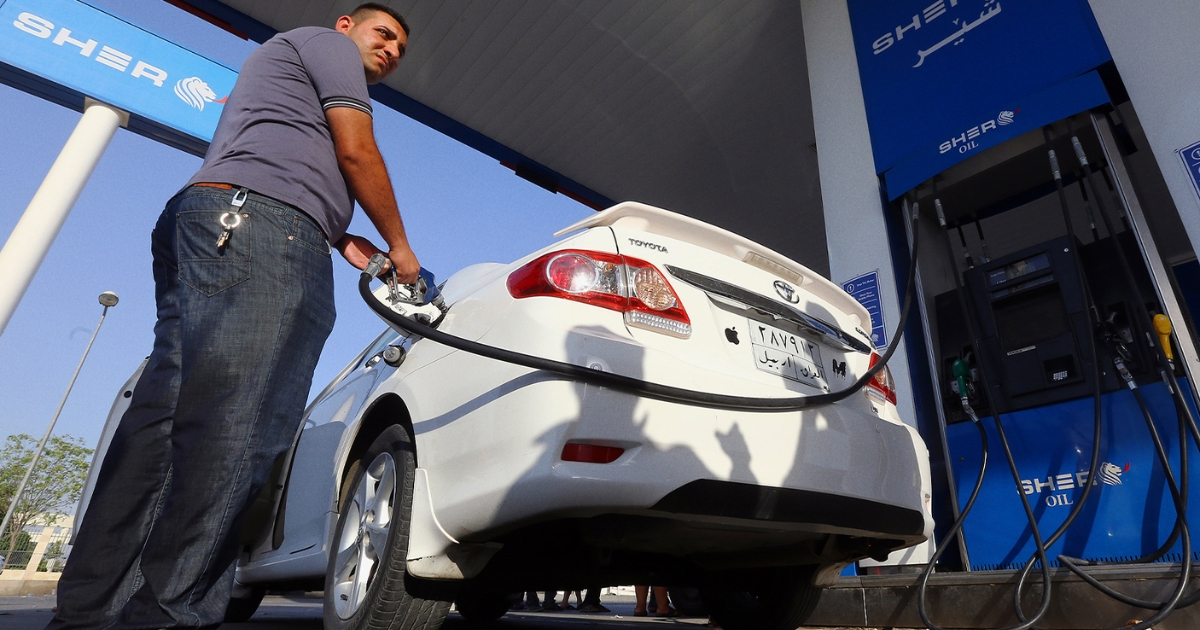
A standard 22-liter liquefied petroleum gas cylinder, widely used for cooking across the Region, now sells for as much as 33,000 Iraqi dinars. Before the current crisis, the same cylinder cost about 8,500 dinars. Gas is still available in some areas, but it has become harder to find at the subsidized government rate.
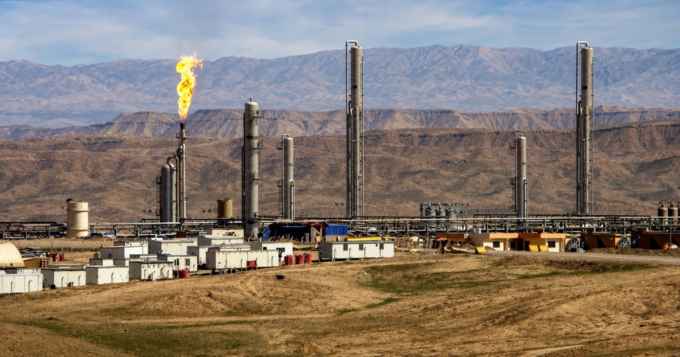
The spike follows the suspension of operations at the Khor Mor gas field in Slemani province, which is the Kurdistan Region’s main source of LPG. The halt came as security risks rose after the wider regional conflict escalated in late February.
Since then, the Kurdistan Region has faced repeated drone and missile attacks targeting cities and energy infrastructure. Erbil, Slemani, and Duhok have all come under pressure as the conflict spread beyond Iran and its immediate borders.
Khor Mor has faced attacks in the past, but this time officials said operations stopped because of the security threat rather than direct physical damage. That shutdown quickly affected power generation because gas supplies to electricity plants were reduced in the early phase of the crisis.
The result was a major drop in electricity output. In some areas, residents were left with only five to eight hours of power per day. Although gas flows to power plants have improved since then, LPG for household and commercial use remains under pressure.
Gas Prices Across Kurdistan Region Hit Homes and Businesses
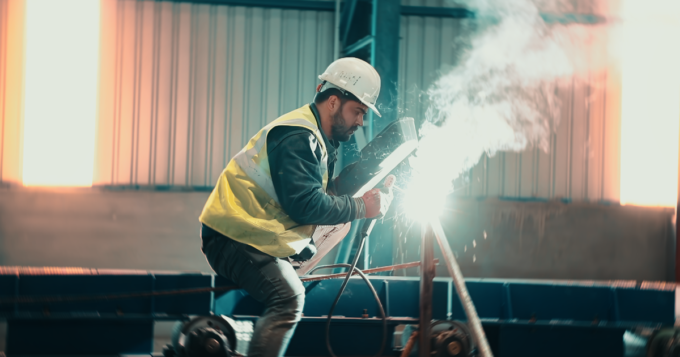
The impact is now being felt across many parts of the local economy. Bakeries, restaurants, and small food businesses are among the hardest hit because they depend on steady fuel access every day.
Some bakery owners say they have been forced to close, at least for now, because they can no longer absorb the cost of gas and other basic supplies. For many workers, those closures mean a sudden loss of income at a time when household costs are already rising.
Restaurants are also passing part of the burden to customers. In Erbil, some food outlets have already raised prices as operating costs continue to grow. Even small increases on common items are becoming more visible to the public, especially as families cut back on spending.
In Slemani, supply shortages have also led to long queues. Residents and business owners are waiting at factories and gas stations for a single cylinder, with many reporting that availability matters more than price. In some cases, even customers willing to pay more are struggling to secure gas.
Officials say the main issue is the scale of the supply decline. In Erbil alone, daily tanker deliveries reportedly dropped from 18 to just three or four. That represents a reduction of about 80 percent in supply to the city.
Such a sharp fall has created a clear gap between demand and available stock. When supply collapses that quickly, prices rise fast, and that is now happening across the Region.
The crisis shows how closely daily life in the Kurdistan Region is tied to the security of its energy infrastructure. Cooking gas, electricity production, food prices, and small business activity are all linked. When one part of that system is disrupted, the effects move quickly through the wider economy.
For now, gas prices across Kurdistan Region remain high, and there is no clear sign that conditions will return to normal in the immediate term. Unless supply stabilizes and security conditions improve, households and businesses may continue to face shortages, higher prices, and more pressure in the weeks ahead.