
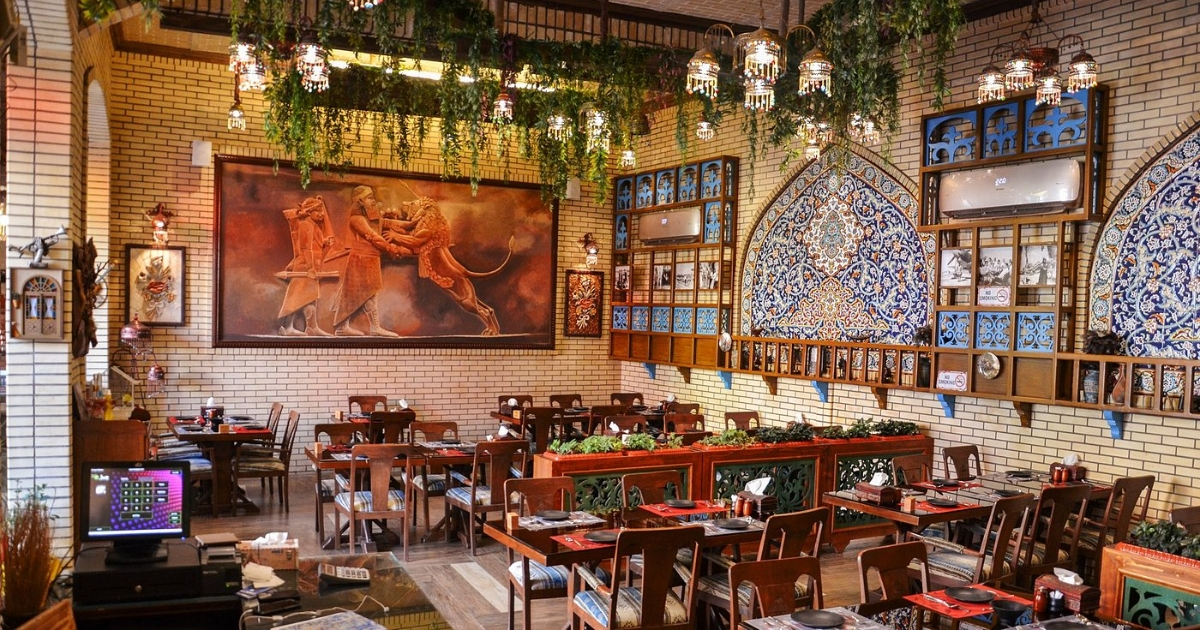
ERBIL — Kurdistan restaurants see 35% drop in business as the ongoing regional conflict linked to tensions with Iran continues to impact daily life and economic activity across the Kurdistan Region.
Local officials say the decline reflects a broader slowdown in tourism and consumer spending. Restaurants that rely on visitors and evening dining traffic have been hit the hardest.
Shukr Aziz, deputy head of the Erbil branch of the Kurdistan Association of Hotels and Restaurants, confirmed that activity has fallen by roughly one-third. He noted that businesses with tourism licenses are facing the sharpest drop in customers.
Despite the slowdown, officials say the sector has remained stable for now. No restaurants have closed, and owners have avoided raising prices, even as operating costs increase.
Gas Shortages Add Pressure
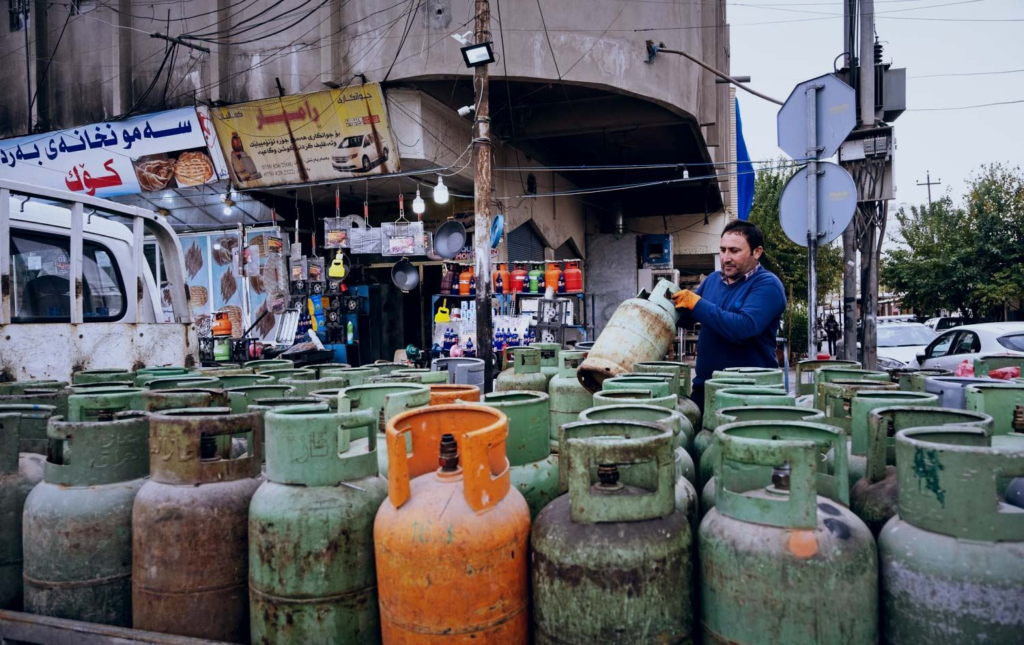
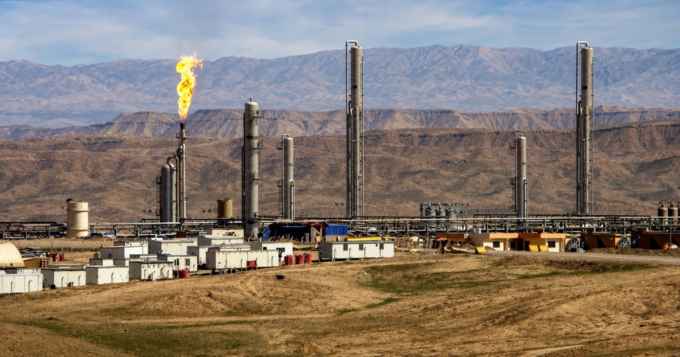
The decline comes as gas shortages place additional strain on restaurant operations. Reduced local production has pushed the cost of a standard gas cylinder to as high as 35,000 Iraqi dinars.
Mahmoud Tawfiq, head of the association’s Slemani branch, said authorities are working to stabilize supply. He stressed that restaurants should not be forced to pay more than 25,000 dinars per cylinder while keeping menu prices unchanged.
In several cities, residents and business owners have reported long queues to secure gas, highlighting the growing pressure on both households and the service sector.
Tourism and Consumer Confidence Decline
The Kurdistan restaurants see 35% drop in business trend also reflects falling tourism levels. Security concerns and ongoing drone and missile activity across the region have discouraged travel and reduced foot traffic in key urban areas.
Restaurants that depend on nightlife and weekend crowds have seen noticeable declines. Many are operating at reduced capacity, particularly during evening hours.
Sector Holds Steady for Now
Even with these challenges, officials say the hospitality sector has not reached a breaking point. Businesses continue to operate, and industry representatives are working with suppliers to manage costs and maintain stability.
The Kurdistan restaurants see 35% drop in business situation remains fluid. Much will depend on how long regional tensions persist and whether supply chains, especially for fuel, can recover in the coming weeks.