
March 16 marks one of the darkest days in Kurdish history. On this day in 1988, the city of Halabja was attacked with chemical weapons during the final stages of the Iran–Iraq War. The assault killed thousands of civilians and left deep wounds that remain visible today across Kurdish society.
The attack was carried out under the regime of Saddam Hussein as part of the wider Anfal Campaign, a military operation aimed at crushing Kurdish resistance and depopulating Kurdish regions.
Within hours, aircraft dropped chemical agents over Halabja. Many victims died instantly in the streets, homes, and shelters where they had sought safety. Entire families were killed together. Estimates suggest that around 5,000 people died and more than 10,000 were injured.
The images from Halabja shocked the world. Photographs of civilians lying where they had fallen became some of the most haunting records of chemical warfare used against a civilian population.
How the Halabja Attack Became a Lasting Symbol of Kurdish Suffering
The tragedy did not end in 1988. Survivors of the attack continue to live with serious health problems caused by exposure to chemical agents.
Many residents of Halabja still suffer from chronic respiratory illnesses, cancers, skin diseases, and birth defects that scientists and doctors link to chemical exposure. Psychological trauma also remains widespread among survivors and families who lost loved ones.
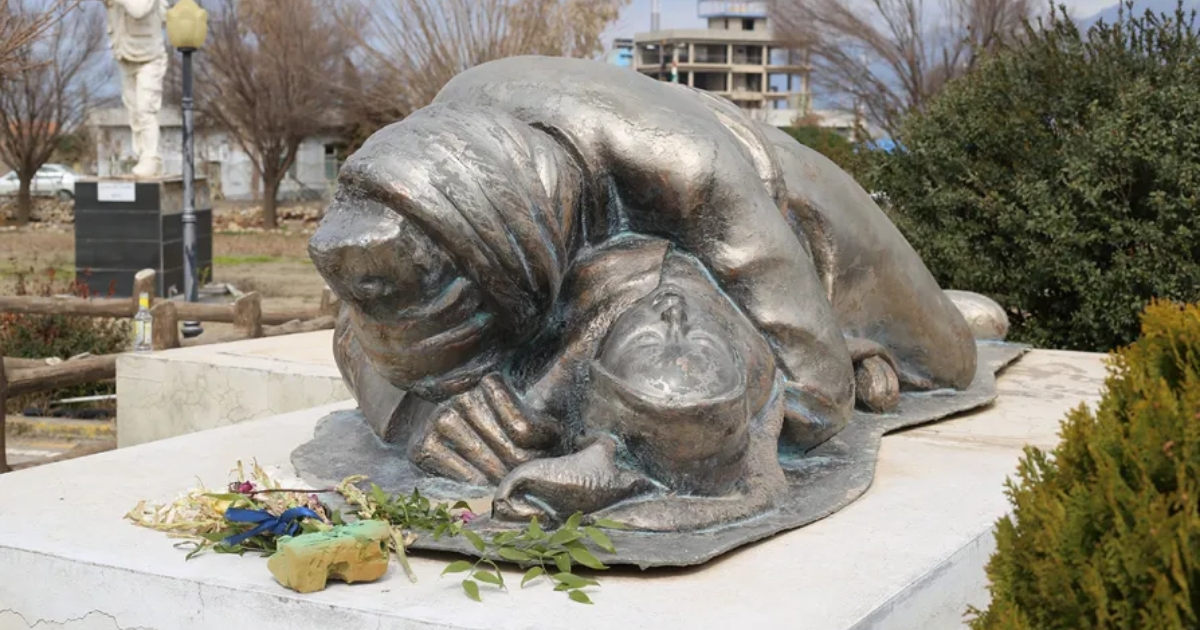
Even today, Halabja stands as a symbol of Kurdish suffering and resilience. Memorials and annual ceremonies are held each year across the Kurdistan Region to honor those who were killed.
For Kurds around the world, March 16 is not only a day of mourning but also a reminder of the struggle for recognition, justice, and protection.
The Halabja attack became one of the most documented chemical attacks against civilians in modern history. It exposed the scale of repression carried out against the Kurdish population during the late 1980s.
Thousands of Kurdish villages were destroyed during the Anfal Campaign. Many people were displaced, imprisoned, or killed. Entire communities disappeared.
Halabja therefore represents more than a single event. It symbolizes the broader campaign of violence directed at Kurdish people during that period.
The tragedy also played a role in shaping Kurdish political identity and the push for greater autonomy and protection for Kurdish communities.
Why Halabja Still Matters Today
Remembering Halabja is not only about honoring the past. It also raises questions about the present.
Kurds across several countries still face political pressure, cultural restrictions, and security threats. While progress has been made in some areas, many Kurdish communities continue to seek recognition of their rights, language, and political representation.
For many Kurds, the memory of Halabja reinforces the importance of vigilance and unity. The tragedy serves as a warning of how quickly violence can be directed toward vulnerable populations when their rights are denied.
Today, Halabja has been rebuilt and recognized as its own governorate within the Kurdistan Region. Yet the city remains a place of memory. The scars of 1988 are still carried by families, survivors, and future generations.
Each year on March 16, Kurdish communities across the world pause to remember the victims of Halabja.
Ceremonies, memorial gatherings, and moments of silence are held to ensure that the lives lost are never forgotten. Schools, institutions, and cultural organizations use the day to teach younger generations about what happened.
The legacy of Halabja continues to shape Kurdish identity and collective memory.
It stands as a reminder of both tragedy and resilience—of a people who endured immense suffering yet continue to preserve their history, culture, and hope for a more secure future.