
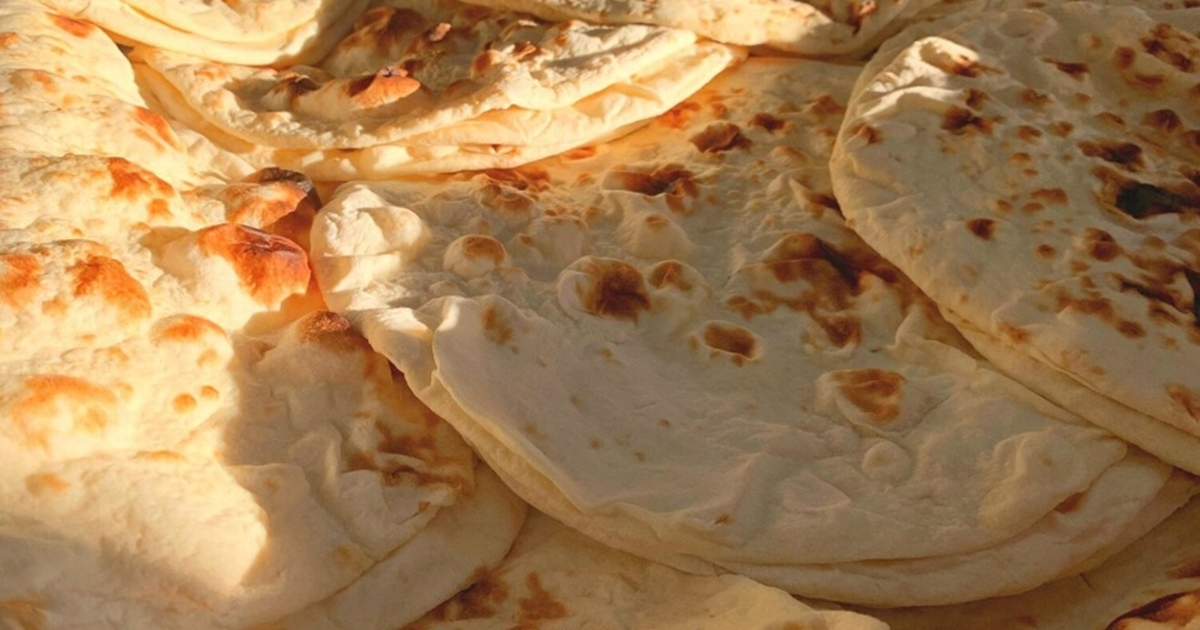
Kurdistan bakeries are facing growing pressure as gas prices rise sharply across the Region, forcing many to move away from liquefied petroleum gas (LPG) and rely on firewood to keep ovens running.
The change reflects a wider energy strain linked to ongoing regional tensions. As fuel becomes more expensive and harder to access, small businesses are adjusting quickly to avoid shutdowns.
Kurdistan Bakeries Adjust to Rising Energy Costs
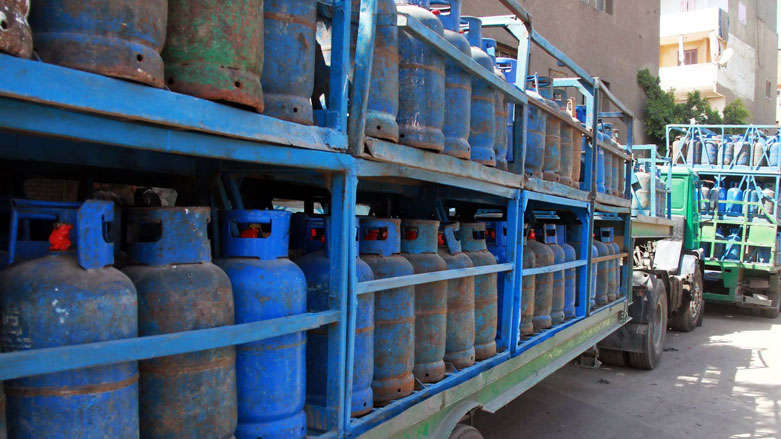
Fuel costs have increased several times over in recent weeks. LPG, once a stable and widely used energy source for bakeries, is now both costly and limited in supply.
As a result, many bakeries have reduced their dependence on gas. Firewood has become a practical alternative, even though it requires more labor and creates less efficient working conditions.
The shift highlights how energy disruptions are reaching essential services. Bakeries operate daily and depend on steady fuel access to maintain consistent production.
Related: Kurdistan Restaurants See 35% Drop in Business Amid Dreadful Iran War
Firewood Becomes a Temporary Solution
Across different parts of the Region, bakeries are now using firewood to continue operations. While this allows production to continue, it brings new challenges.
Firewood produces more smoke and residue. It also demands more time and effort to manage compared to gas systems. In some areas, access to firewood is also becoming limited as demand increases.
This creates a cycle where both primary and alternative fuel sources are under pressure.
Bread Production Under Strain
The impact is now reaching consumers. Some bakeries have started adjusting output to manage rising costs and limited fuel access.
This includes reducing the size or quantity of bread available. Since bakeries require large amounts of fuel each day, even small price increases can quickly affect production levels.
Bread remains a daily staple across the Kurdistan Region. Any disruption in bakery operations has a direct effect on households and local markets.
Kurdistan Bakeries Reflect Broader Economic Pressure
The situation facing Kurdistan bakeries shows how energy challenges are affecting everyday life. What began as a fuel supply issue is now influencing food production, pricing, and working conditions.
As long as gas prices remain high and supplies stay limited, bakeries are expected to continue relying on alternatives like firewood. The longer-term outlook will depend on how quickly energy stability returns to the Region.