
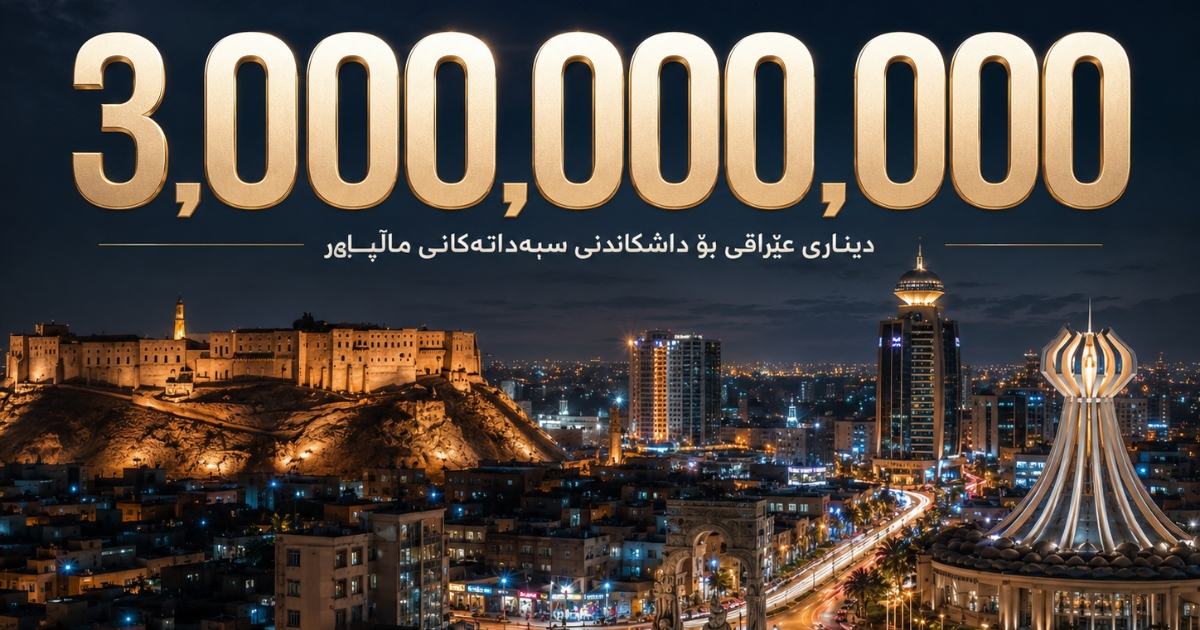
The Kurdistan Regional Government’s Runaki program has credited more than 3 billion Iraqi dinars in discounts to households after a billing review found that thousands of families did not receive their full transitional benefits.
The Ministry of Electricity said the review was part of a wider effort to reduce billing errors under the new electricity system. The correction applies to 117,628 households across the Kurdistan Region.
The total credited amount reached 3.031 billion IQD. Each household received an average credit of 25,768 IQD.
The credits will appear in upcoming billing cycles. They will be applied against Runaki bills, outstanding balances, and earlier electricity debt from before the program.
Customers registered with Runaki will receive direct messages about the credit.
Runaki Billing Review Raises Bigger Questions
The credit is a positive step for families who were affected by billing errors. But it also raises important questions.
How many households noticed the issue before the review? How clear are the bills for ordinary customers? How easy is it for families to challenge a charge if they believe it is wrong?
These questions matter because electricity reform depends on public trust. A new billing system can help reduce waste and improve service. But it must also be transparent.
For many households, electricity costs are not a small issue. They are part of the monthly pressure of rent, food, transportation, and school needs.
When a family is overcharged or misses a discount, even a modest amount can matter.
Runaki Data Breakdown
| Category | Figure |
|---|---|
| Total credited amount | 3.031 billion IQD |
| Households credited | 117,628 |
| Average credit per household | 25,768 IQD |
| Citizens with 24-hour electricity | Over 5.5 million |
| Share of population covered | More than 85% |
Simple Credit Chart
Total credited amount:
3.031 billion IQD
Households that benefited:
117,628
Average credit per household:
25,768 IQD
This shows that the correction was not limited to a small billing issue. It affected a large number of homes across the Kurdistan Region.
Why the Runaki Credit Matters
Runaki is one of the KRG’s most visible service reforms.
The program aims to replace the old model of limited public electricity and private neighborhood generators with a 24-hour electricity system. For many families, this shift could mean fewer separate bills, more stable service, and less reliance on diesel generators.
The government says more than 5.5 million people now have access to 24-hour electricity through Runaki. That is more than 85 percent of the Kurdistan Region’s population.
Officials also say around 80 percent of households, especially low-income households, now pay less for electricity than they did before when public grid costs and local generator fees were combined.
If those figures hold across the full rollout, Runaki could become one of the most important infrastructure changes in the Kurdistan Region in years.
But the latest credit also shows that reform is not only about expanding service. It is also about accuracy, fairness, and follow-up.
Runaki and the Cost of Reform
Electricity reform is difficult in many places.
In the Kurdistan Region, the challenge is even more complex because residents have long depended on two systems at once. Many families paid for national grid electricity while also paying private generator owners for backup power.
That model created high monthly costs. It also created uneven service. Some areas had better supply than others, and households often had little control over generator prices.
Runaki seeks to change that.
The program uses a standardized billing system and progressive tariffs. This means households are charged based on usage levels, with the goal of protecting lower-use and lower-income families.
The credit review suggests the system can catch mistakes. But it also shows why regular audits must continue.
A reform of this scale cannot rely only on launch announcements. It needs steady checks, clear public updates, and a simple complaint process.
Comparison With Other Electricity Reforms
Electricity reform often succeeds when governments combine service expansion with public accountability.
In other regions, smart meters and unified billing systems have helped reduce losses and improve collection. But they can also create public concern when customers do not understand how charges are calculated.
That is why communication is key.
People need to know how their bill is calculated, what discounts apply, how credits are issued, and what steps they can take if a bill seems wrong.
Runaki’s latest correction shows that the KRG is reviewing the system. The next test is whether the process becomes routine, easy to understand, and open to public review.
What Households Should Watch For
Runaki customers should check their upcoming bills for the credit.
They should also keep any direct message they receive from the program. If a household believes it should have received a credit but does not see one, it should contact the relevant electricity office or official Runaki support channel.
The key issue is not only the credit itself. It is whether households can clearly track what they are charged and why.
For Runaki to succeed, families must feel that the system is fair.
Runaki Rollout Continues Toward 2026 Goal
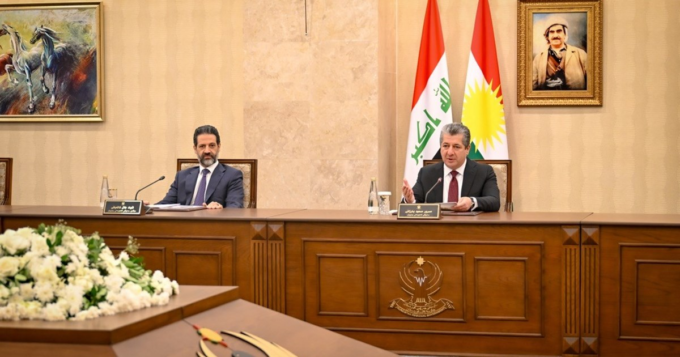
Prime Minister Masrour Barzani announced the Runaki program in October 2024. The KRG Council of Ministers later adopted the program and its new progressive tariffs in May 2025.
The government says it plans to deliver 24-hour electricity to every home and business in the Kurdistan Region by the end of 2026.
That goal is ambitious.
The latest figures show major progress. More than 85 percent of citizens now have access to 24-hour electricity under Runaki.
Still, the remaining rollout will require strong execution. Rural areas, lower-income communities, old debts, billing disputes, and infrastructure pressure could all shape public reaction in the months ahead.
FAQ
What is Runaki?
Runaki is the KRG’s electricity reform program. It aims to provide 24-hour electricity across the Kurdistan Region.
How much money was credited to households?
More than 3.031 billion IQD was credited to households after a billing review.
How many households received credits?
A total of 117,628 households benefited from the correction.
What was the average credit?
The average credit was 25,768 IQD per household.
Why were the credits issued?
The credits were issued after the billing system found that some households did not receive their full transitional Runaki discounts.
Where will the credit appear?
The credit will appear in upcoming billing cycles. It will be applied against Runaki bills, outstanding balances, or pre-Runaki debt.
How many people now have 24-hour electricity under Runaki?
More than 5.5 million people across the Kurdistan Region now have access to 24-hour electricity under the program.
What is the KRG’s target?
The KRG plans to provide 24-hour electricity to every home and business in the Kurdistan Region by the end of 2026.