
The Kurdistan Regional Government has approved a proposal to form a KRG coordination committee with the Federal Government to address long-running disputes between Erbil and Baghdad.
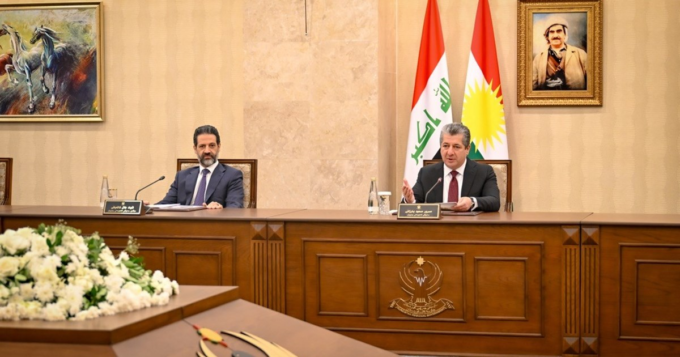
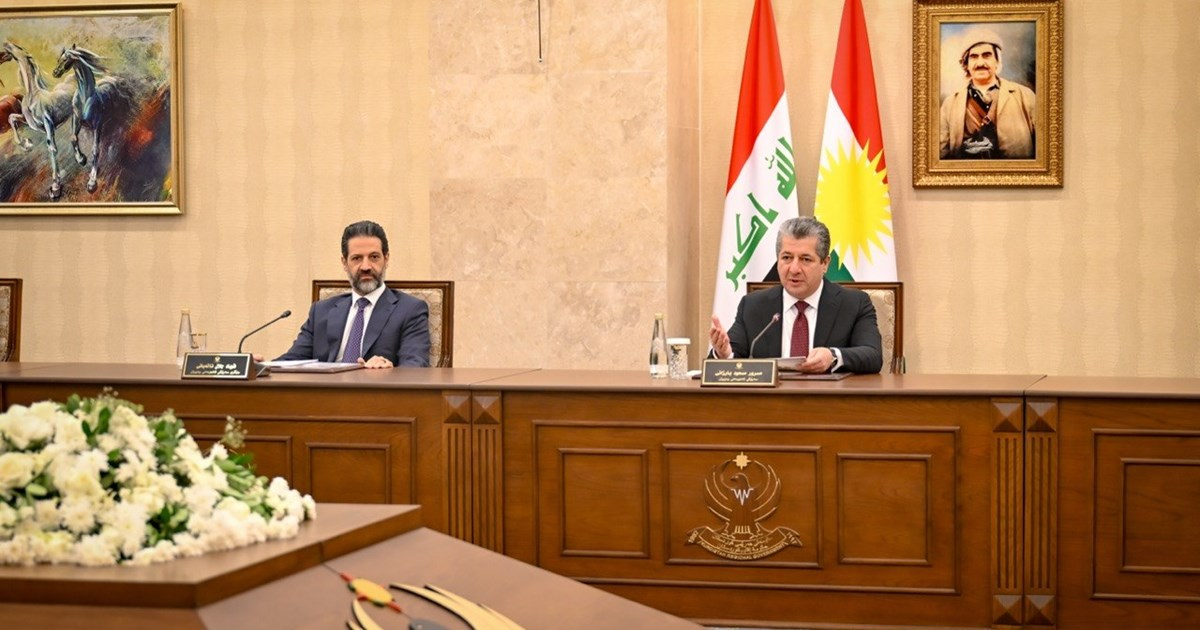
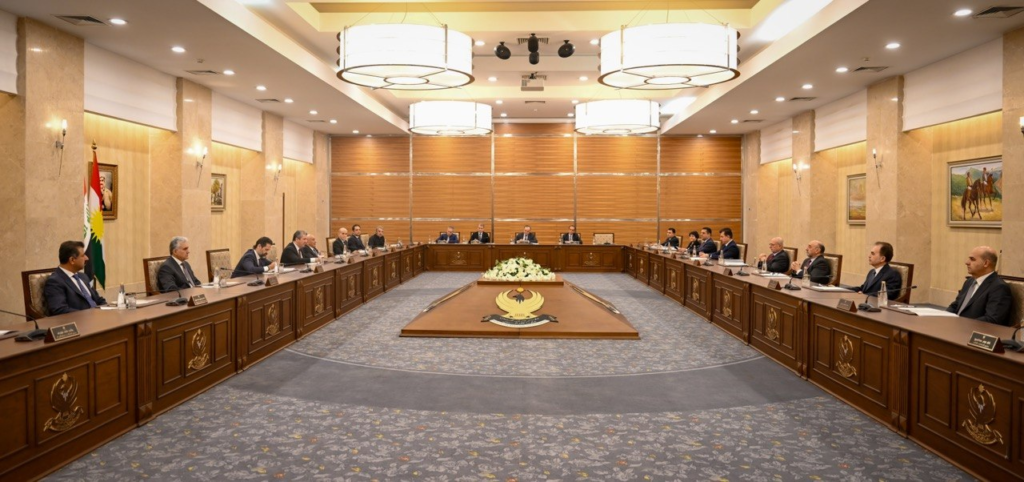
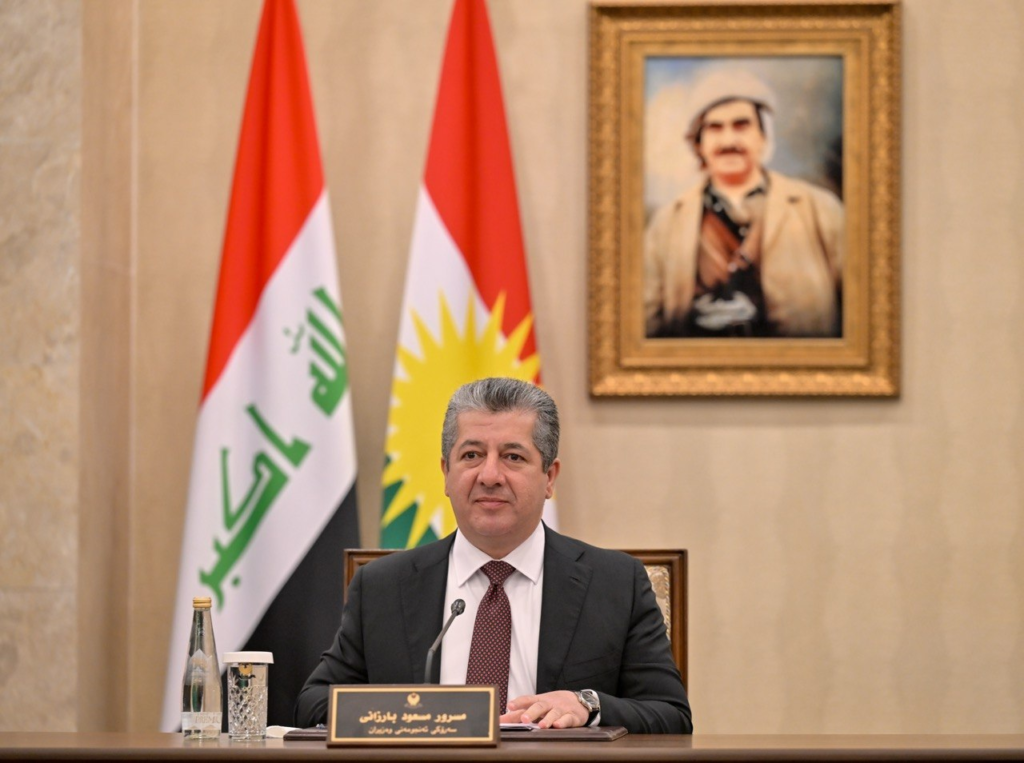
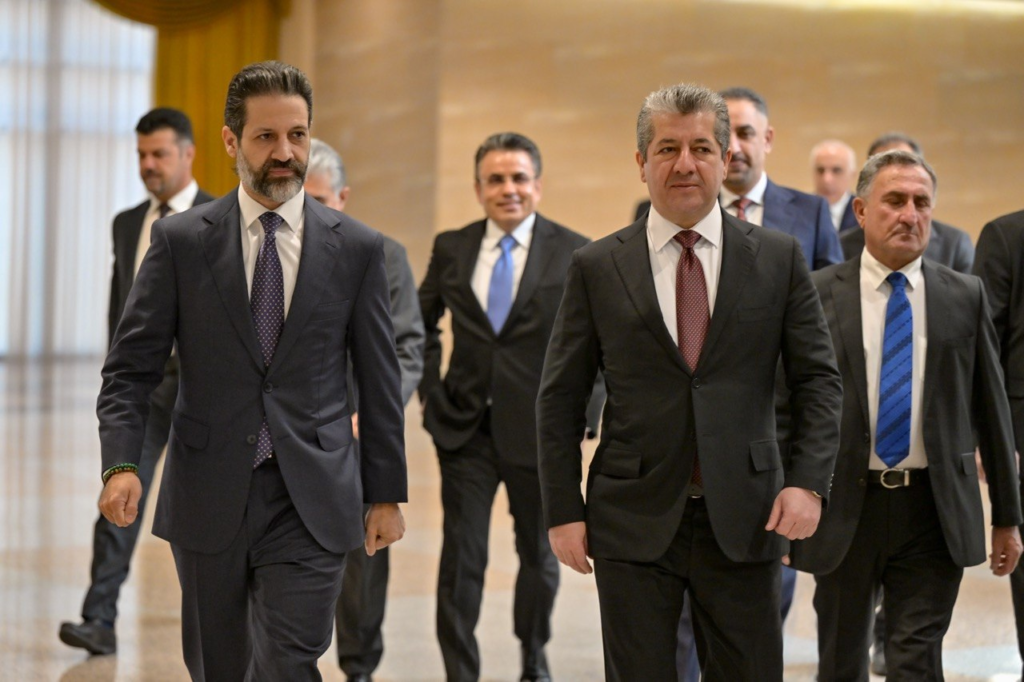
The decision was made on Wednesday, June 10, 2026, during a KRG Council of Ministers meeting chaired by Prime Minister Masrour Barzani. Deputy Prime Minister Qubad Talabani also attended the session.
Barzani opened the meeting by briefing ministers on his recent visit to Baghdad. He said talks with federal officials should continue through a clear roadmap. He proposed a high-level permanent committee made up of ministers and officials from both sides.
Related: Masrour Barzani and Ahmet Davutoğlu Discuss Kurdistan Region and Türkiye Relations in Erbil
Talabani supported the proposal. He said the committee would help create a formal process for solving disputes between the Kurdistan Region and the Federal Government.
After discussion, the Council approved the plan. It will now be submitted to the Federal Government for review and a joint decision.
KRG Coordination Committee Aims to Formalize Talks
The proposed KRG coordination committee would focus on issues that have shaped Erbil-Baghdad relations for years. These include oil exports, public revenues, budget transfers, border crossings, and federal financial obligations.
The Council said a permanent committee could help reduce delays and move talks away from temporary crisis meetings.
The decision comes as both governments face pressure to address financial and economic challenges. The Kurdistan Region has seen a sharp fall in public revenue in 2026. Officials linked the decline to regional instability, lower trade activity, and unresolved issues around customs reform.
Oil Exports Remain a Main Issue
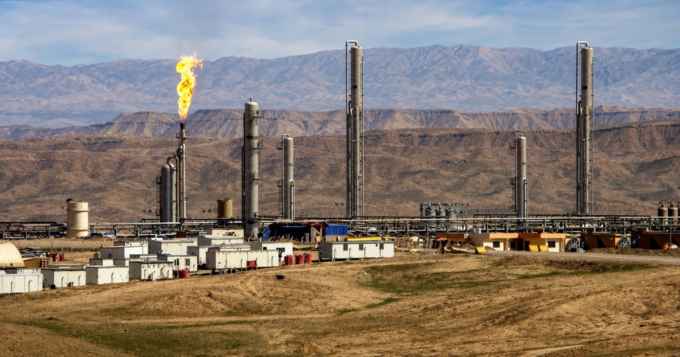
The Council also reviewed the oil file with Baghdad. Officials discussed recent meetings between the KRG delegation, international oil companies, the Federal Prime Minister, and federal institutions.
Kamal Mohammad Salih Khalil, Acting Minister of Natural Resources, briefed the Council on the latest talks.
The Council said the Kurdistan Region supports the new Federal Government, led by Prime Minister Ali al-Zaidi, in dealing with Iraq’s financial challenges. It also instructed the Minister of Natural Resources and the negotiating team to speed up steps needed to increase oil exports through the Kurdistan Region’s pipeline.
The Council said revenues from those exports should return to the Federal Treasury. It also called for joint work to increase federal revenue.
The Council added that oil companies should begin increasing production and resume exports in the coming days. This follows federal assurances that the security of the Kurdistan Region’s oil and energy sector will be protected. The Council also noted federal commitments to compensate damage caused by possible attacks on energy infrastructure.
Revenue Drop Raises Salary Concerns
The meeting also focused on domestic revenues and the economic impact of the ASYCUDA customs system.
Awat Janab Noori, Minister of Finance and Economy, presented a report on the Kurdistan Region’s general revenues for the first five months of 2026.
The report showed a major decline compared to 2025. The figures are listed in the monthly trial balance, which is now being audited by a joint team from the Federal Board of Supreme Audit and the Kurdistan Region Board of Supreme Audit.
The Council said the Region’s monthly revenue has dropped by more than 70 percent. Officials linked the fall to war, regional tensions, and the unresolved ASYCUDA framework.
Because of this decline, the Council asked the Federal Government to review the IQD 120 billion allocation required as the Federal Treasury’s share. The Council said the current situation has affected the KRG’s ability to meet public sector salary needs.
ASYCUDA Talks Continue
The Council ended its meeting by discussing the rollout of ASYCUDA at the Kurdistan Region’s border crossings.
The system is designed to improve customs collection and make border trade more transparent. But the Council said the lack of a final agreement has affected revenues and slowed commercial activity.
The Council urged the Federal Council of Ministers for the Economy to approve the preliminary understanding signed between Erbil and Baghdad in April 2026.
It said resolving the file would improve border crossing revenues, support business activity, and help the wider Iraqi economy.
The approval of the KRG coordination committee marks another attempt to create a structured path for Erbil and Baghdad to address disputes. Its success will depend on whether both governments agree on its powers, timeline, and ability to move decisions into action.
Source: Kurdistan Regional Government