Building a Greener Future: How the KRG Is Transforming Kurdistan’s Environmental Landscape

The Kurdistan Regional Government (KRG) is demonstrating a firm commitment to environmental protection, sustainability, and climate responsibility through a series of impactful reforms and initiatives. Under the leadership of the ninth cabinet, the region has made remarkable progress in reducing pollution, expanding green coverage, and investing in clean energy solutions.

At the heart of these efforts is a strong determination to build a cleaner, safer, and more sustainable Kurdistan for future generations. In recent years, the KRG has intensified its campaign against environmental negligence by shutting down dozens of non-compliant oil refineries and decommissioning private diesel generators — two of the primary sources of air and soil pollution.

The government’s energy vision goes beyond regulation. By the end of next year, officials expect the entire Kurdistan Region to benefit from 24-hour electricity powered primarily by natural gas — marking a historic transition toward an emission-free energy system. Currently, natural gas accounts for approximately 83% of electricity generation, underscoring a major step toward sustainable energy independence.

In addition to energy reform, the KRG has placed a strong emphasis on land restoration and environmental safety. A total of 11.4 million square meters of land have been cleared of mines — a monumental achievement that not only restores ecosystems but also safeguards human lives and agricultural development.

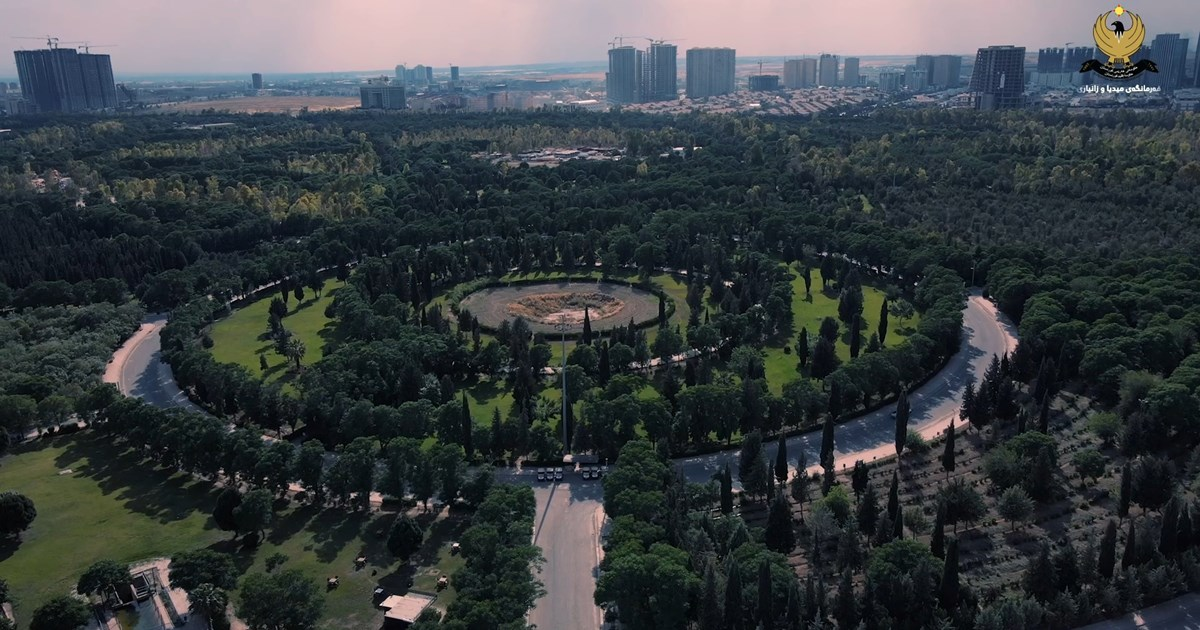
Forestation and wildfire prevention have also become key pillars of the KRG’s environmental agenda. Green coverage across the Kurdistan Region has grown from 15% to 18%, an encouraging rise that reflects both governmental and community-level engagement. To further protect natural reserves, the establishment of 34 million firebreaks has been instrumental in reducing the spread of forest fires — a growing global concern in an era of climate instability.

In another forward-looking move, the KRG has launched Kurdistan’s first asphalt recycling plant, marking an important step toward circular economy practices. This facility repurposes used asphalt, reducing waste, conserving resources, and minimizing carbon emissions associated with new material production.

Taken together, these initiatives signal a broader transformation: the Kurdistan Region is shifting from reactive environmental management to proactive sustainability planning. With increased green coverage, cleaner energy infrastructure, and a focus on recycling and reforestation, the KRG is positioning itself as a regional leader in climate responsibility.

The message is clear — protecting the environment is no longer an option but a necessity, and the Kurdistan Regional Government’s ongoing commitment is paving the way for a greener, healthier, and more resilient future.

Soran Ari

Founder / Writer

Born and raised in Canada, I hold a Bachelor’s degree in English Language and Literature from Queen’s University and a diploma in Health, Wellness, and Fitness from Mohawk College. I am a web developer, the founder and editor of Kurdish Weekly, and the creator of the ESL Kurd app. In addition to my work in tech and publishing, I am a freelance writer for a variety of hip-hop, music, and news outlets, where I cover emerging talent, cultural trends, and broader stories that connect communities.

You May Like

Download
ESL Kurd App

latest News

Building a Greener Future: How the KRG Is Transforming Kurdistan’s Environmental Landscape

KRG

The Kurdistan Regional Government (KRG) is demonstrating a firm commitment to environmental protection, sustainability, and climate responsibility through a series of impactful reforms and initiatives. Under the leadership of the ninth cabinet, the region has made remarkable progress in reducing pollution, expanding green coverage, and investing in clean energy solutions.

At the heart of these efforts is a strong determination to build a cleaner, safer, and more sustainable Kurdistan for future generations. In recent years, the KRG has intensified its campaign against environmental negligence by shutting down dozens of non-compliant oil refineries and decommissioning private diesel generators — two of the primary sources of air and soil pollution.

The government’s energy vision goes beyond regulation. By the end of next year, officials expect the entire Kurdistan Region to benefit from 24-hour electricity powered primarily by natural gas — marking a historic transition toward an emission-free energy system. Currently, natural gas accounts for approximately 83% of electricity generation, underscoring a major step toward sustainable energy independence.

In addition to energy reform, the KRG has placed a strong emphasis on land restoration and environmental safety. A total of 11.4 million square meters of land have been cleared of mines — a monumental achievement that not only restores ecosystems but also safeguards human lives and agricultural development.

Forestation and wildfire prevention have also become key pillars of the KRG’s environmental agenda. Green coverage across the Kurdistan Region has grown from 15% to 18%, an encouraging rise that reflects both governmental and community-level engagement. To further protect natural reserves, the establishment of 34 million firebreaks has been instrumental in reducing the spread of forest fires — a growing global concern in an era of climate instability.

In another forward-looking move, the KRG has launched Kurdistan’s first asphalt recycling plant, marking an important step toward circular economy practices. This facility repurposes used asphalt, reducing waste, conserving resources, and minimizing carbon emissions associated with new material production.

Taken together, these initiatives signal a broader transformation: the Kurdistan Region is shifting from reactive environmental management to proactive sustainability planning. With increased green coverage, cleaner energy infrastructure, and a focus on recycling and reforestation, the KRG is positioning itself as a regional leader in climate responsibility.

The message is clear — protecting the environment is no longer an option but a necessity, and the Kurdistan Regional Government’s ongoing commitment is paving the way for a greener, healthier, and more resilient future.
Share on:

Soran Ari

Founder / Writer

Born and raised in Canada, I hold a Bachelor’s degree in English Language and Literature from Queen’s University and a diploma in Health, Wellness, and Fitness from Mohawk College. I am a web developer, the founder and editor of Kurdish Weekly, and the creator of the ESL Kurd app. In addition to my work in tech and publishing, I am a freelance writer for a variety of hip-hop, music, and news outlets, where I cover emerging talent, cultural trends, and broader stories that connect communities.

You May Like

Download
ESL Kurd App

Related Posts