
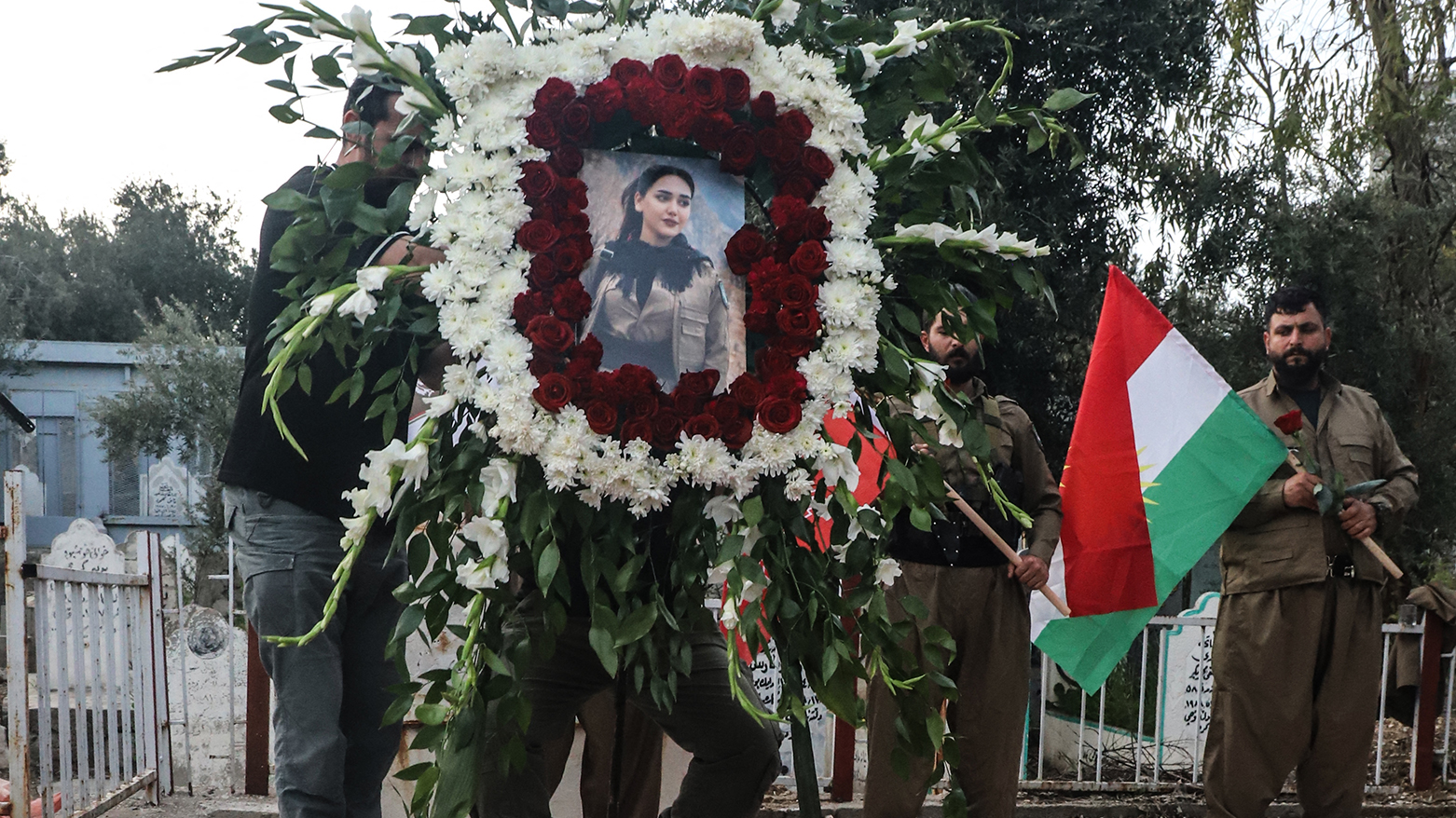
The death of Ghazal Mawlan has triggered a wide investigation into emergency medical care and legal responsibility in the Kurdistan Region after she was fatally wounded in a drone strike near Slemani.
Ghazal Mawlan, an 18-year-old Iranian Kurdish peshmerga affiliated with Komala Toilers of Kurdistan, was injured on April 14, 2026, in the Surdash area. She later died after being transferred between multiple hospitals, raising serious questions about delays in treatment and access to urgent care.
Timeline of Events After the Drone Strike Involving Ghazal Mawlan
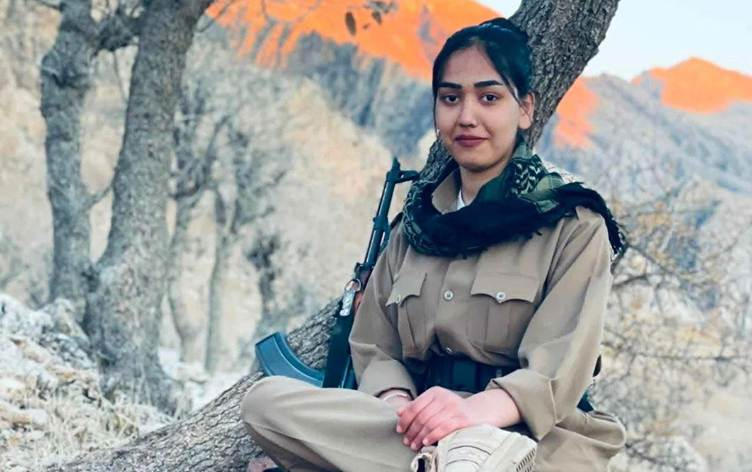
According to available accounts and an ongoing review by the HANA Human Rights Organization, Ghazal Mawlan was first taken to Shorsh Hospital, a facility linked to the Ministry of Peshmerga. Medical staff reportedly provided initial care but lacked the equipment required for advanced trauma treatment.
She was then moved by ambulance to nearby private hospitals. Witnesses and companions say attempts were made to admit her to facilities including Asia Hospital and Bakhshin Hospital. These efforts were reportedly unsuccessful or delayed.
Hospital officials have disputed parts of this account. Representatives from Asia Hospital denied receiving any request for admission. Meanwhile, Bakhshin Hospital stated that procedural requirements, including the absence of police authorization, delayed formal admission despite ongoing efforts to secure approval.
During this period, Mawlan’s condition worsened. She was later transferred to Faruk Medical City, where she entered cardiac arrest shortly after arrival. Despite attempts to revive her, she died soon after.
Conflicting Accounts and Medical Findings
The case has exposed conflicting narratives between hospital staff and those present during Mawlan’s transfer.
Companions allege that hospitals refused treatment due to the political nature of the case. Hospital officials maintain that capacity limits and legal procedures shaped their response.
A forensic medical review later concluded that Ghazal Mawlan sustained multiple severe and likely fatal injuries. Medical experts indicated that survival chances were extremely limited, even with immediate treatment, though delays may have affected the timing of death.
Government and Legal Response
The Kurdistan Regional Government’s Ministry of Health has launched a formal investigation into the circumstances surrounding the death of Ghazal Mawlan.
Officials described any refusal or delay in emergency care as “unacceptable” and emphasized that medical services must remain independent of political considerations. The investigation is being conducted under existing patient rights and medical accountability laws.
The Independent Commission for Human Rights in the Kurdistan Region has also raised concerns. It stated that access to emergency medical care is a fundamental right and should not be restricted by administrative or political barriers.
International Law and Human Rights Concerns
Legal experts note that the case of Ghazal Mawlan may engage both international humanitarian law and human rights law.
Under the Geneva Conventions, wounded individuals must receive medical care without discrimination. International human rights frameworks also protect the right to life and access to healthcare, regardless of political affiliation.
HANA’s legal team is examining whether non-medical factors influenced decisions about treatment. If confirmed, such actions could raise questions of unlawful discrimination and failure to provide impartial medical care.
Public Reaction and Broader Impact
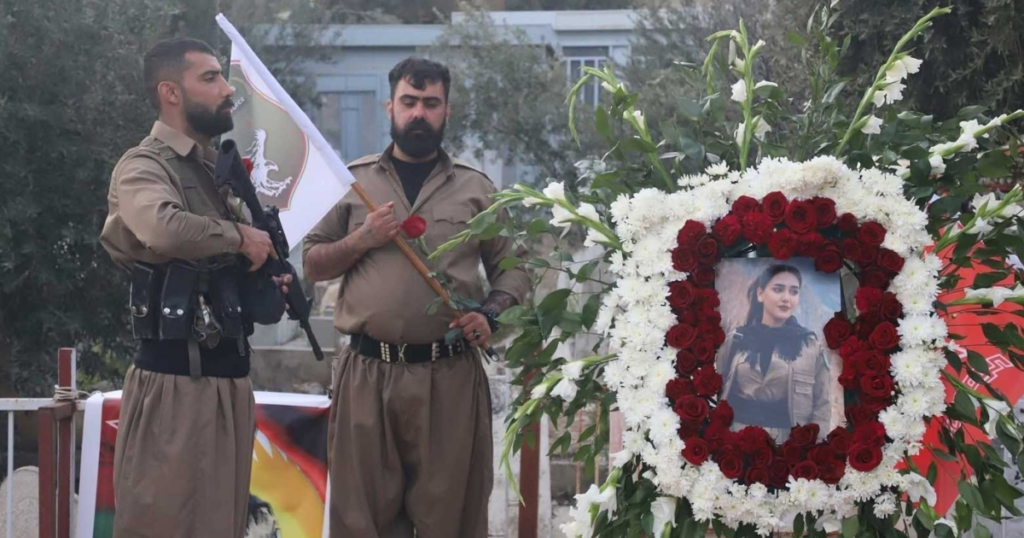
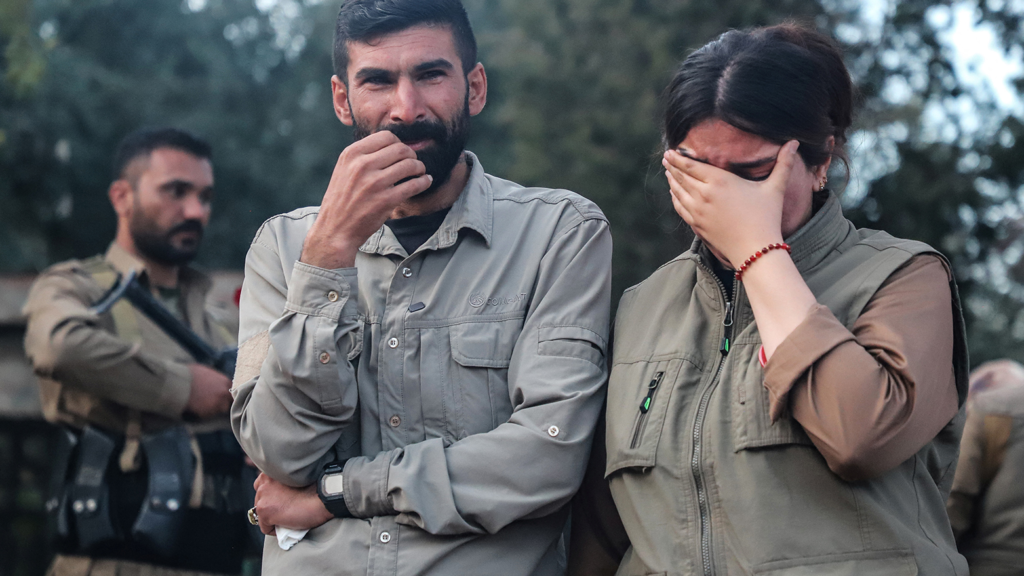
The death of Ghazal Mawlan has sparked public anger across the Kurdistan Region and among Kurdish communities abroad. Civil society groups, activists, and public figures have called for accountability and transparency.
More than 150 individuals, including artists and intellectuals, signed a joint statement describing the case as a violation of medical ethics. They urged authorities to identify any negligence and ensure accountability.
The case has also highlighted broader concerns about the treatment of Kurdish opposition groups from Eastern Kurdistan, particularly amid ongoing regional tensions and cross-border attacks.
Ongoing Investigation
Authorities continue to gather evidence and review hospital procedures, communication records, and legal protocols involved in the case.
The central question remains whether Ghazal Mawlan received appropriate medical care based solely on clinical need, or whether external factors influenced the response.
The outcome of the investigation is expected to shape future policy on emergency medical access and reinforce standards for patient care in politically sensitive cases.