
The Department of Media and Information of the Kurdistan Regional Government (KRG) has released a detailed documentary report reviewing 20 years of stalled implementation of Article 140 of the Iraqi Constitution.
The report covers the period from 2005 to 2025. It outlines legal, administrative, and human rights concerns in the disputed territories.
Article 140 was designed to resolve the status of these areas through normalization, a census, and a referendum. According to the report, none of these final steps have been completed.
Aftermath of 16 October 2017
The report gives special focus to the events of 16 October 2017. It states that the developments on that date went beyond military redeployments and had wide humanitarian and administrative effects, especially in Tuz Khurmatu.
Key figures cited in the report include:
-
15 civilians killed
-
115 people wounded
-
3,150 Kurdish homes looted
-
530 houses and shops burned or destroyed
-
21 factories and schools set on fire
-
More than 53,000 residents displaced
The report describes the displacement as one of the largest waves in the district since 2003.
“Administrative Arabisation” and Agricultural Measures
The document outlines what it calls a new phase of demographic and administrative change. It refers to the measures as “Administrative Arabisation.”
According to the findings:
-
Ten senior administrative posts in Kirkuk and ten in Sinjar were reassigned from Kurdish officials to representatives of other communities.
-
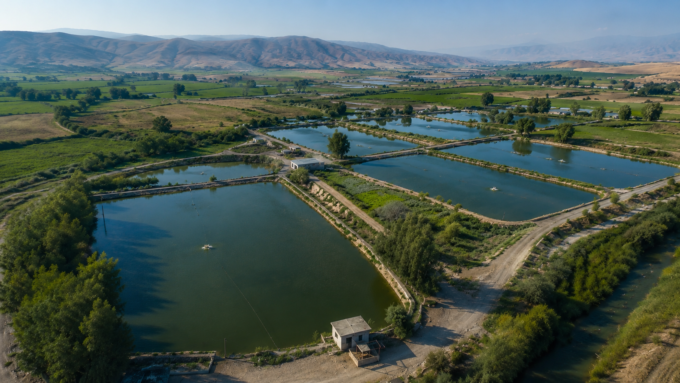
Ba’ath-era agricultural contracts were reactivated in Kirkuk, Daquq, and Sargaran.
-
Farmland was allocated to Arab settlers, affecting Kurdish farmers.
-
There were reported attempts to transfer food ration cards and civil status records of thousands of Arab families to Kirkuk.
The report argues that these actions alter the demographic balance in disputed areas and affect local governance.
Financial Allocations and Unresolved Claims
The report also reviews compensation and funding.
It states that in 2014, 2015, and from 2018 to 2021, the Iraqi federal government allocated no funds for the implementation of Article 140.
Over 20 years, IQD 2.08 trillion was spent on related processes. The report describes this amount as insufficient, citing 118,000 unresolved compensation claims that remain pending.
International Proposals and Court Rulings
The report references work by the United Nations Assistance Mission for Iraq (UNAMI). It notes that between 2007 and 2017, UNAMI submitted several proposals aimed at resolving the status of the disputed territories. According to the KRG document, these proposals were not implemented.
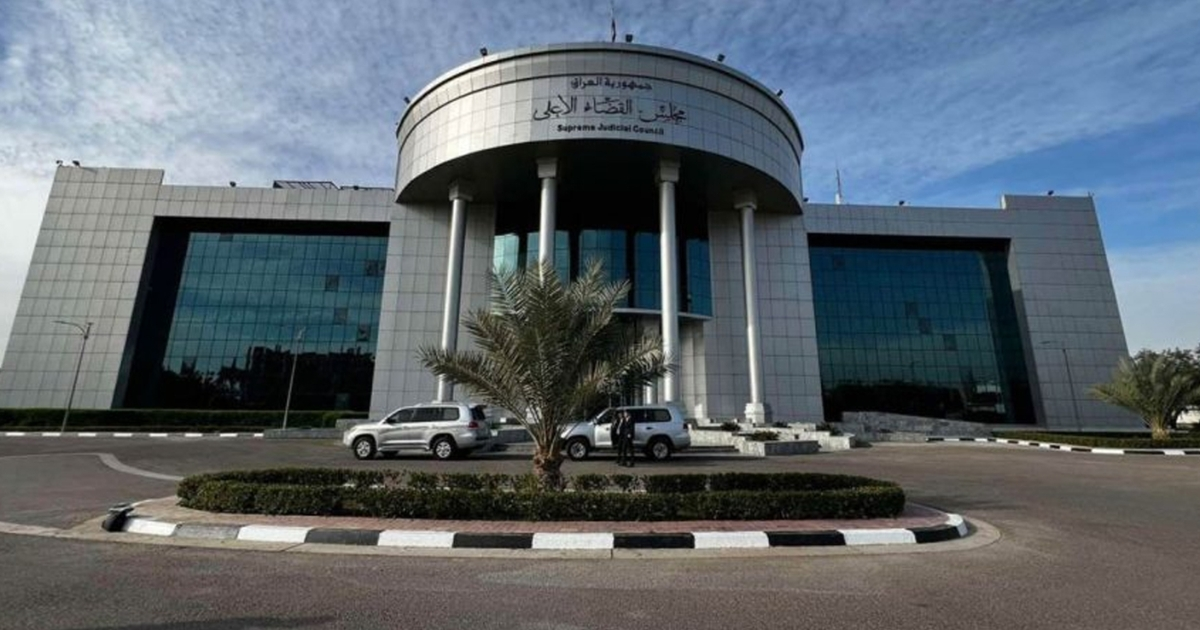
It also cites decisions by the Federal Supreme Court of Iraq. Decision No. 113 of 2017 and Decision No. 71 of 2019 rejected legal attempts to cancel Article 140. The rulings confirmed that the article remains valid until its final stage, including a referendum, is completed.
A Constitutional and Social Issue
The Department of Media and Information concludes that Article 140 is more than a legal clause. It frames the issue as one tied to housing rights, historical grievances, and national identity.
Twenty years after the Iraqi Constitution was adopted, the status of the disputed territories remains unresolved. The report calls attention to what it describes as ongoing administrative and agricultural measures that could shape the future of these areas.