
When people talk about cinema connecting cultures, they often point to the big names—Cannes, Venice, Sundance. But sometimes, it’s the smaller festivals, born from resilience and community spirit, that quietly make the most meaningful connections. The Sixth Kobani International Film Festival, held in Bochum, Germany, is one of those spaces.
Launched in 2020 by Komma e.V. during the challenges of the COVID-19 pandemic, the festival has grown each year despite limited funding. This year’s edition received over 1,100 film submissions from 127 countries, narrowing down to a fascinatingly diverse shortlist of just 29.
A Global Palette of Stories from Kobani International Film Festival
The range of films selected shows just how committed the festival is to creating a “bridge” between Kurdish and international cinema. Consider the variety:
-
Short Films included Holy Water (Iran, Azerbaijani), La Villa (Italy, Italian), I Left (Georgia, Georgian), Last Stop (Norway, Norwegian), Nettle (Belgium, French), The Tragedy of the Lady (Israel, Hebrew), Loneliness (Spain, Spanish), Ashruta – The Unheard (India, Bengali), Miss Goldfish (China, Chinese), and The Skin Speaks (China, Chinese).
-
Documentaries highlighted identity and memory with Biji Jibirkirinė (Against Forgetting) (United States, Kurdish Kurmanji), Habibullah (Iran, Kurdistan, Kurdish), and Cut (Tehran, Iran, Arabic).
-
Animations brought playful experimentation: Jus d’orange (France/Poland, French), Fire and Spark (Romania, Romanian), and 113 Words for You Today (United States, English).
-
Additional Films with deep Kurdish ties included The Tailor (Iraq, Erbil, Kurdish), The Ninth Cycle (Iran, Kurdish), Unchain (United States, Persian), and A House Near the Sun (Iran, Urmiye, Kurdish).
What strikes me is the balance: films from China and Spain sit alongside Kurdish documentaries and Iranian shorts. It feels almost like a micro-version of the United Nations, but with creativity instead of politics at the table.
This festival isn’t about box office numbers or paparazzi; it’s about cultural exchange. Think about it—how often does a Kurdish-made film get seen next to a French animation or an Indian short in Bengali? Rarely. The Kobani International Film Festival gives them equal footing.
There’s something refreshing about this lineup. It doesn’t feel curated for glamour, but for honesty. The Skin Speaks from China, for example, promises raw human expression, while Biji Jibirkirinė carries a political weight about memory and survival. Together, they show cinema’s duality: one side personal, the other collective.
It reminds me of how Iranian cinema emerged on the global stage decades ago. Directors like Abbas Kiarostami and Asghar Farhadi told deeply local stories that ended up resonating globally. Kurdish cinema, with festivals like this as its platform, might be on a similar path.
For Kurdish communities, having their films screened alongside international peers is more than representation—it’s validation. It’s proof that their stories hold universal value. Festivals like the Kobani International Film Festival don’t just entertain; they challenge stereotypes and broaden understanding.
And for audiences? It’s a chance to step outside Hollywood’s orbit. Watching Ashruta – The Unheard from India or Last Stop from Norway back-to-back with a Kurdish film is like sampling cuisines from different cultures in one sitting—you walk away fuller, wiser, and curious for more.
The Bigger Picture
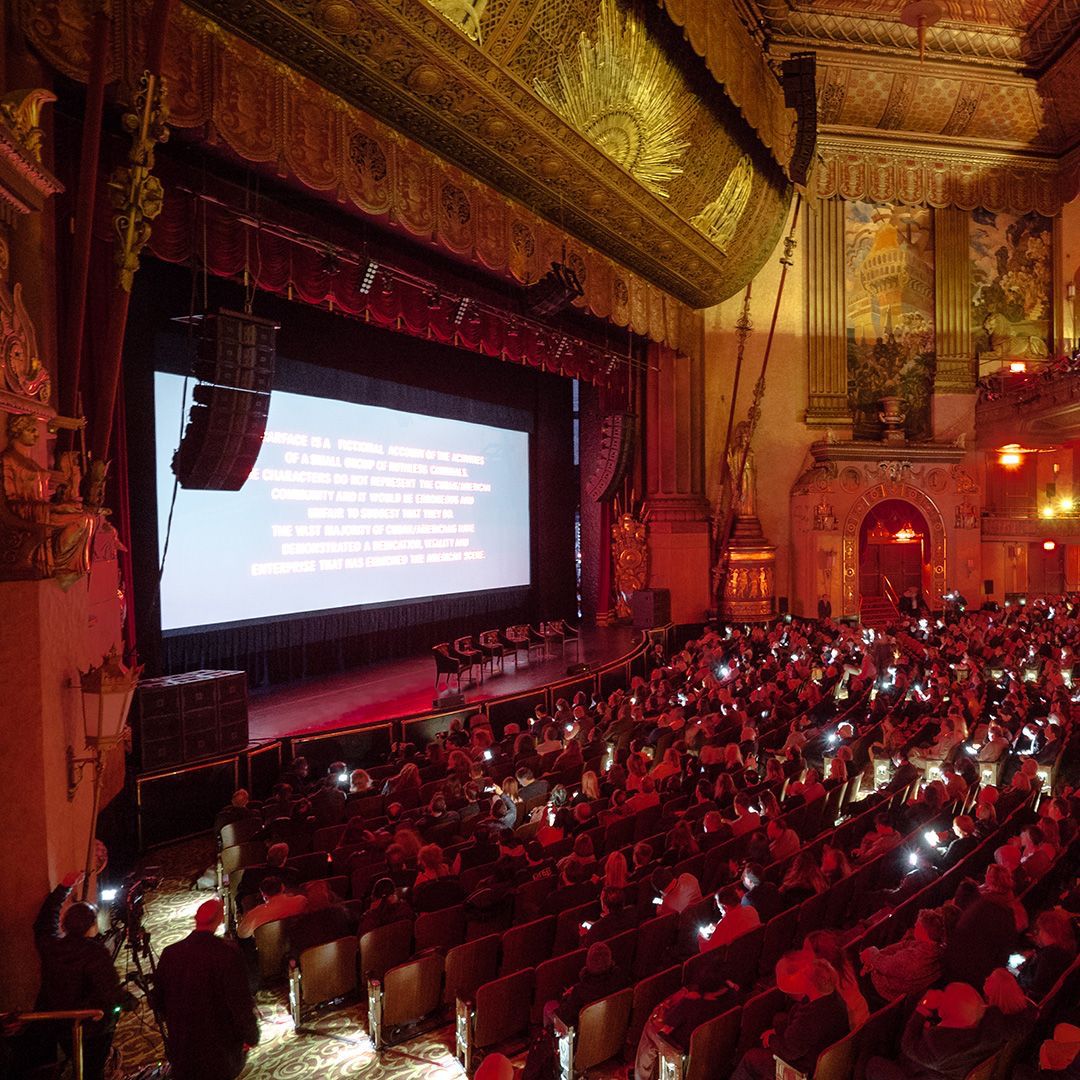
While the Kobani International Film Festival may not have the red carpets of Cannes or Venice, it arguably has something more valuable: sincerity. It’s still rooted in passion rather than spectacle, giving filmmakers who might otherwise be overlooked a stage.
The history of cinema tells us that some of the most groundbreaking movements—the French New Wave, Italian Neorealism, Iranian New Wave—began in spaces like this. Raw, small, but relentless. Who’s to say Kurdish cinema, with its powerful mix of resilience and artistry, won’t be next?
The Sixth Kobani International Film Festival isn’t about prestige; it’s about perspective. It’s about giving Kurdish filmmakers a place at the global table, and letting audiences taste stories from China, Spain, India, and beyond—all in one festival.
If cinema is a mirror of humanity, then Kobani International Film Festival is holding up a mirror that reflects not just Kurdish life, but a global mosaic of voices. And in times when division often dominates headlines, that’s something worth celebrating.