

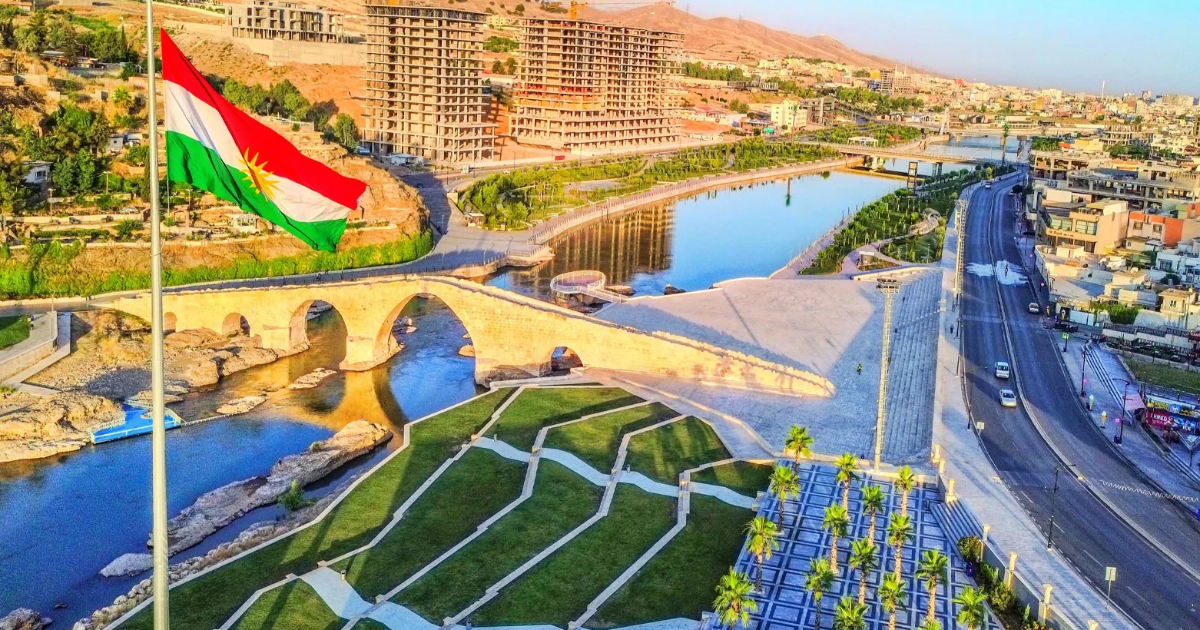
The Kurdistan Health Summit opened in Zakho on Thursday, November 19, with three days of talks on who can access healthcare, how services are financed and how health institutions are held accountable. The gathering runs through Saturday, November 21, according to the summit organizers.
The Kurdistan Health Summit brings together health officials, clinicians, researchers and people who manage health institutions. The Kurdistan Regional Government, its health ministry and the Zakho Independent Administration support the event, which also includes participation from Iraq’s federal health ministry.

Kurdistan Health Summit opens with access to care
The opening day focused on universal health coverage, including how to expand access and protect patients from financial hardship. For a family that needs repeated visits, the cost of receiving care can include transport and time away from work as well as fees or medicine. A service can be available on paper and still be hard to use regularly.
The World Health Organization defines universal health coverage around access to needed services without financial hardship. It applies across the course of care, from prevention and treatment to rehabilitation and palliative care.
Other Thursday sessions covered medical education, public health literacy and the role of young people in preventing chronic illness. The organizers set aside the opening evening for a broader discussion about managing health services during crises and keeping them available when demand rises or normal operations are disrupted.
The opening topics connect two sides of the same problem. Health institutions need enough trained staff to provide care, and patients need to know where to seek help and what services are available. The summit’s coverage discussion brings those questions together with the cost of treatment.
Friday turns to primary care and financing
On Friday, participants are due to discuss how primary care can help meet the growing demand for regular treatment of chronic illness. Primary care is often where patients first seek help, receive a referral or return for follow-up. A clinic’s ability to provide those services depends in part on whether it has trained staff, basic tests and a way to arrange referrals when a patient needs specialist care.
Friday’s program also addresses how to fund services over time and how to distribute resources fairly. Keeping a clinic open requires recurring spending on staff, equipment and supplies. Workforce planning adds another question: where should doctors, nurses and other health workers be based so patients can see them when needed?
The agenda also calls for discussion of how government agencies, private providers and philanthropic organizations can work together. Those conversations sit alongside the sessions on financing and staffing. Each concerns a different decision about who provides care, who pays for it and how patients find their way through the system.
Saturday covers medicines, data and public communication
On the final day, the Kurdistan Health Summit is scheduled to consider digital health, pharmaceutical production and public communication. One discussion will focus on the use of data to identify preventable illness and premature deaths. Another will consider local pharmaceutical production, a question that involves both the supply of medicines and the systems that oversee their quality.
Digital tools can help clinicians share records or make it easier to follow a referral. Those benefits depend on how providers use the systems and whether they can exchange the information a clinician needs. The final day’s agenda puts digital health alongside public communication, which addresses how residents learn about services or take part in decisions that affect them.
Organizers list a signature ceremony at the end of Saturday’s proceedings. The program gives no details about what will be signed. Any funding commitments or timetable for changes to insurance, staffing or services would need to come through a separate announcement.












Leave a comment