

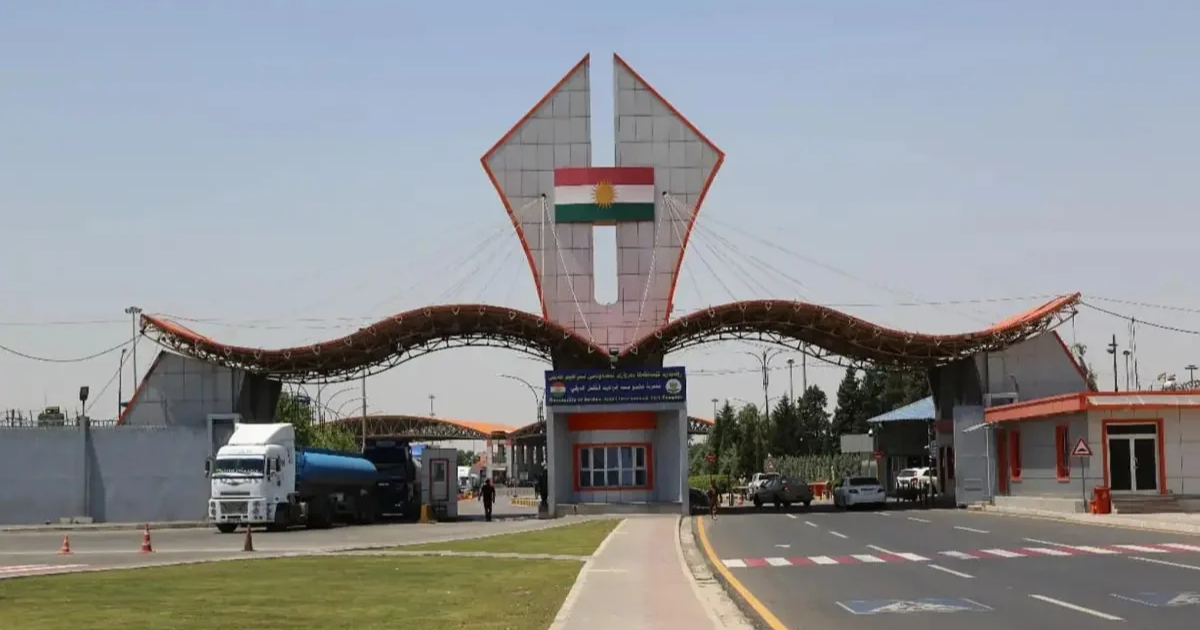
The Kurdistan Regional Government (KRG) has rejected Baghdad’s new oil and border orders, saying they violate the constitutional rights of the Kurdistan Region and threaten Iraq’s federal system.
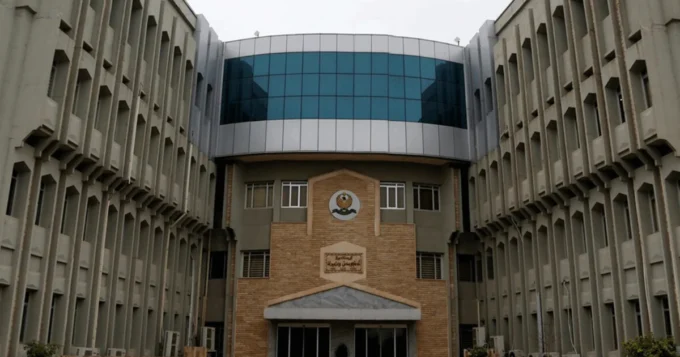
The KRG Council of Ministers met in Erbil (Hawler) on November 25, 2026, under the leadership of Prime Minister Masrour Barzani. The cabinet called for the full implementation of Iraq’s Constitution and urged Baghdad to resolve disputes through dialogue rather than military threats.
In its official statement, the KRG warned that the federal government’s actions represent an attempt to return Iraq to a centralized system of government. حکومەتی هەرێمی كوردستان
Baghdad’s Oil and Border Orders
On November 24, Iraqi Prime Minister Ali al-Zaidi directed federal authorities to take control of oil fields secured by Kurdish forces in Kirkuk, Nineveh, Salahaddin and Diyala.
He also ordered the Federal Border Ports Authority to assume control of border crossings across the Kurdistan Region and instructed the KRG not to authorize oil exports without federal approval.
The orders follow an investigation into suspected oil smuggling involving the North Oil Company.
Baghdad also announced plans to establish laboratories to test petroleum products entering Erbil, Slemani and Duhok. Other measures include installing electronic meters at oil wells and introducing a digital system to monitor pipelines.
The Iraqi government defended its decisions as part of its legal and constitutional duties. It denied acting under pressure from foreign powers.
On Wednesday, Iraq’s Federal Supreme Court ruled that Baghdad has the constitutional authority to deploy federal forces along international borders, including those within the Kurdistan Region. Reuters+1
KRG Calls for Implementation of Article 140
The KRG identified the failure to implement Iraq’s Constitution, particularly Article 140, as a major cause of the ongoing disputes between Erbil and Baghdad.
Article 140 outlines a process to address the status of Kirkuk and other disputed areas. It includes reversing demographic changes caused by the former Ba’athist regime’s Arabization policies, conducting a census and holding a referendum.
The constitutional deadline was December 31, 2007. The process remains incomplete nearly 19 years later.
The KRG also stated that the constitutional rights of the Kurdistan Region extend beyond salaries, budgets and financial matters to include political rights and regional self-government.
Kurdish Leaders Reject Military Threats
Kurdistan Region President Nechirvan Barzani rejected the use of military threats and called for respect for the Region’s constitutional status.
In a statement issued on November 24, he stressed that disputes must be resolved through dialogue, partnership and mutual understanding. سەرۆکایەتی هەرێمی کوردستان
Kurdistan Democratic Party (KDP) leader Masoud Barzani rejected unilateral decisions by Baghdad, while KRG Prime Minister Masrour Barzani described the new directives as unacceptable.
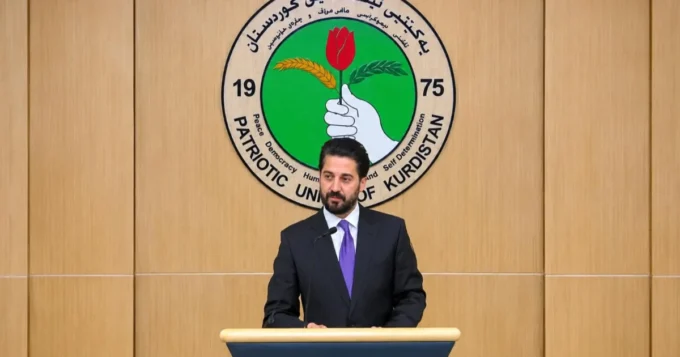
Patriotic Union of Kurdistan (PUK) leader Bafel Talabani expressed support for efforts to fight corruption while reaffirming his party’s commitment to protecting the Kurdistan Region’s constitutional status.
The KDP and PUK also issued a joint statement describing any attempt to undermine the political status of the Kurdistan Region as a red line.
The KRG reaffirmed its willingness to work with Baghdad to combat corruption and oil smuggling across Iraq. It called for negotiations and the full implementation of the Constitution to settle outstanding disputes.










Leave a comment