
The Erbil Citadel deserves a full account of its past. That means giving Assyrian heritage a clear place in its story, alongside Kurdish history and the other communities that have shaped the city. Respect for one people should strengthen respect for others.
For students learning about Erbil, this is a chance to look beyond claims of ownership. The task is to understand what each period left behind and why those traces still matter.
Erbil Citadel and Its Assyrian Roots
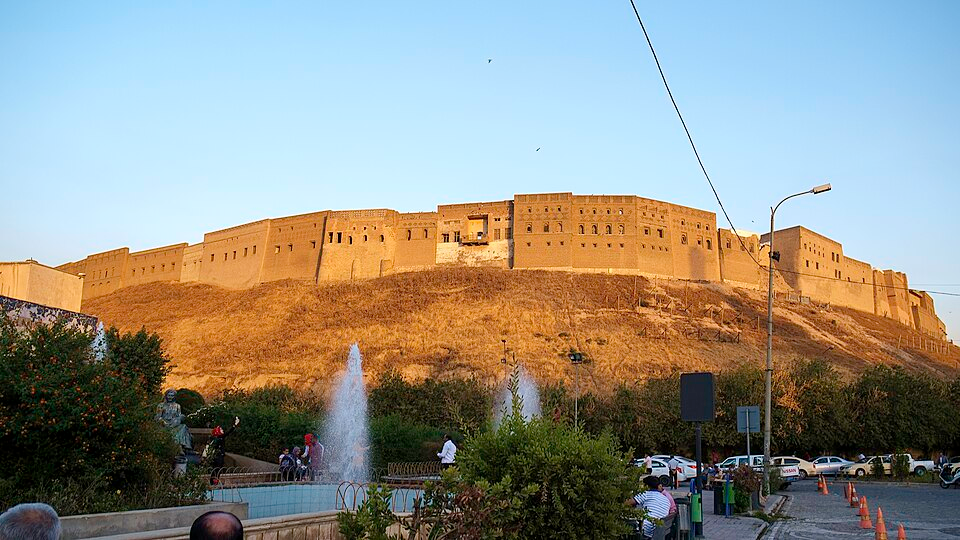
The city’s place in Assyrian history is well documented. UNESCO identifies Erbil with ancient Arbela, a major centre of Assyrian political and religious life. Assyrian history is therefore an essential part of any account of the site.
Research outlined in the Oxford Classical Dictionary traces the city through several ancient states. Under the Assyrian Empire, it became a regional capital of great importance. Its history continued under later empires, including the Achaemenids, Seleucids, Parthians and Sasanians.
This record gives schools, museums and tour guides a clear duty: explain the Assyrian period by name and give it proper context.
It also calls for respect toward Assyrians today. Their interest in this history deserves a fair hearing. Public debate should allow them to discuss their heritage without insults or pressure to set their identity aside.
Erbil Citadel Holds More Than One History
The site also needs careful explanation. Its ancient origins do not mean that every wall or house now standing dates from Assyrian times.
Columbia University’s Mapping Mesopotamian Monuments project explains that layers of settlement formed the mound over centuries. Most buildings now on the Citadel date from the late Ottoman period. The site preserves different stages of life in one place.
That distinction helps readers understand its depth. An ancient settlement, a later street and a surviving house can each tell a different part of the story.
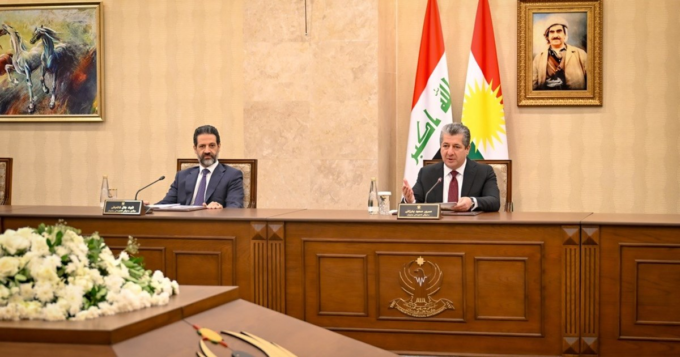
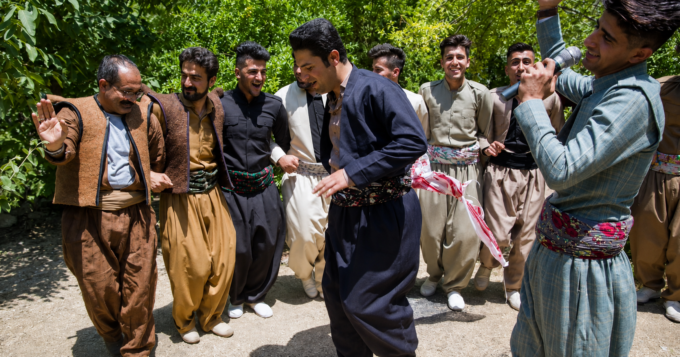
Erbil, also known as Hawler, is the capital of the Kurdistan Region of Iraq. Its place in Kurdish public life forms part of the city’s present identity. Kurdish attachment to the Citadel deserves respect, as does the Assyrian history tied to ancient Arbela.
Both can receive that respect within an honest account of the past.
Teaching the Full Erbil Citadel Story
A sound approach starts with evidence. School lessons should explain which facts come from texts, which come from buildings and which remain open to study.
Museums and visitor displays should show how the city changed across time. They should also make room for the voices of communities connected to its heritage. Those voices can add family memories and cultural knowledge, while research helps establish dates and historical claims.
Students should learn to distinguish ancient empires, religious traditions and modern identities. These subjects overlap, but each needs care. No single label can explain every century of Erbil’s past.
Supporting Assyrian heritage means ensuring that it receives clear and fair recognition. Respecting Kurdish history means treating its place in the city with the same care. Other communities and traditions deserve that standard too.
The Erbil Citadel offers a place to practise this respect. Its history should help people understand their neighbours and preserve the evidence that future students will need.