
The Kurdistan Region is once again placing cultural heritage at the heart of its future. The Kurdistan Regional Government (KRG) has announced significant restoration projects for two of Erbil’s most iconic landmarks: the Erbil Citadel and the Choli Minaret. These initiatives are not just about stone and mortar—they are about identity, memory, and the promise of cultural continuity for generations to come.
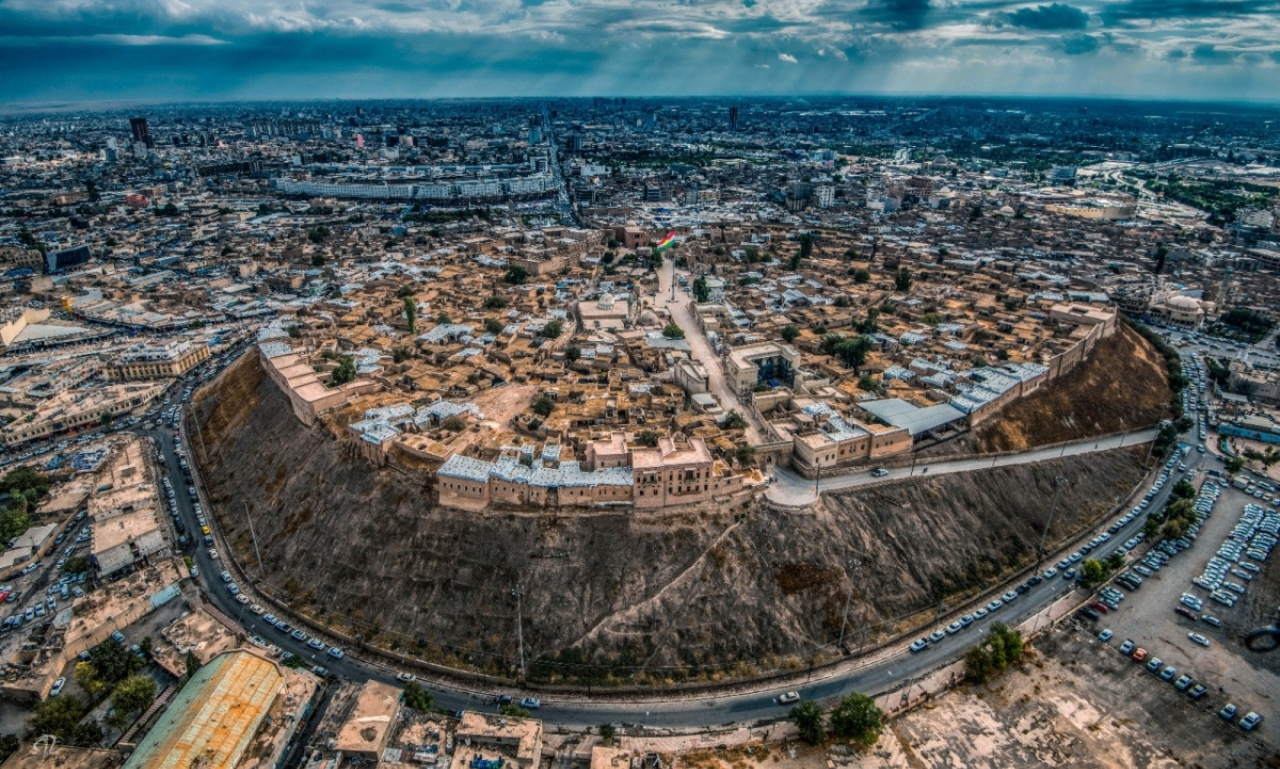
The Erbil Citadel, a UNESCO World Heritage Site, is widely recognized as one of the oldest continuously inhabited places in the world. Rising proudly above the city, it has been a witness to millennia of civilizations, from Assyrians and Medes to Ottomans and Kurds.
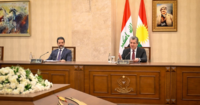
Under the direct supervision of Prime Minister Masrour Barzani and the High Commission for the Citadel’s Restoration, the government is carefully balancing modern needs with historical authenticity. Recent projects include the restoration of the historic mosque within the citadel, traditional stone paving across nearly all streets and alleys, and crucial structural measures to safeguard ancient walls from collapse.

The initiative goes beyond protection; it aims to breathe life back into the citadel. Plans for a cultural teahouse, restaurant, hotel, and even a dedicated Children’s Museum reflect an understanding that heritage must be experienced, not just admired from a distance. By weaving modern cultural spaces into the historic fabric, the citadel can serve as a living, evolving destination rather than a static relic.
As someone who has visited historic sites that lacked such integration, I can say the KRG’s approach is refreshing. Too often, historic places risk becoming lifeless museums. Here, the focus is on ensuring the citadel remains a vibrant part of Erbil’s daily rhythm, much like how Istanbul’s Hagia Sophia or Cairo’s Khan el-Khalili have retained their cultural pulse while preserving history.
If the citadel embodies Erbil’s resilience, the Choli Minaret represents its endurance. Towering 37 meters high, the minaret is one of Kurdistan’s oldest surviving Islamic landmarks. Generations have walked its shadow, and for many locals, it symbolizes both religious devotion and architectural pride.

Restoration plans for the minaret involve replacing damaged exterior sections, filling dangerous gaps, and removing surrounding hazards. Importantly, modern surveillance and protective measures will safeguard the site from neglect or vandalism, ensuring that its majesty remains untouched for future visitors.
I cannot help but draw parallels between the Choli Minaret and other Middle Eastern landmarks, such as the Great Mosque of Samarra’s minaret in Iraq. These structures are not just remnants of architecture—they are spiritual anchors in a rapidly changing world. Preserving them means preserving a people’s voice across centuries.
Restoration is more than an investment in tourism, though the economic benefits are undeniable. Heritage tourism is one of the fastest-growing industries worldwide, with travelers increasingly seeking authentic, historic experiences. With the citadel and minaret preserved, Erbil could emerge as a cultural hub in the Middle East, drawing comparisons to cities like Petra in Jordan or Luxor in Egypt.
But at a deeper level, these projects symbolize the KRG’s commitment to preserving identity. In a region often associated with conflict and instability, the act of protecting history is itself a declaration of resilience. It tells the world: we are still here, and so is our culture.
The Erbil Citadel and Choli Minaret are not just monuments; they are mirrors reflecting the Kurdish story. As these restoration projects progress, they will not only strengthen Erbil’s status as a tourist destination but also reaffirm the region’s place in the world’s cultural heritage.
The success of these projects will depend on more than government funding or international recognition—it will rely on how deeply local communities and future generations feel connected to these spaces. And if done right, walking through the citadel’s alleys or standing beneath the Choli Minaret will not just be a tourist experience—it will be a journey through the living soul of Kurdistan.