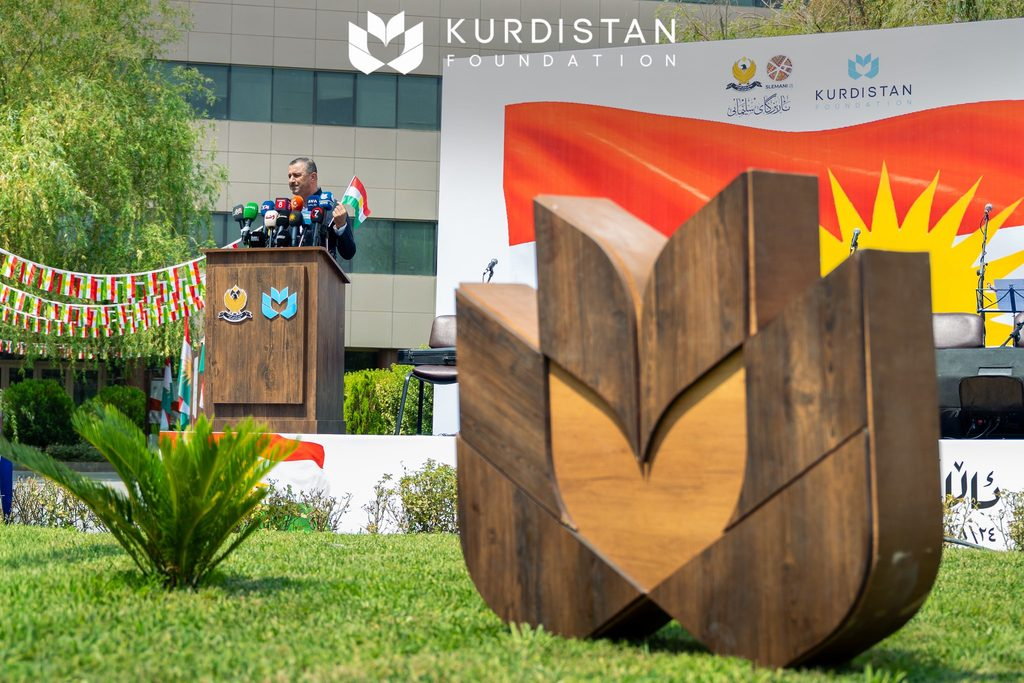

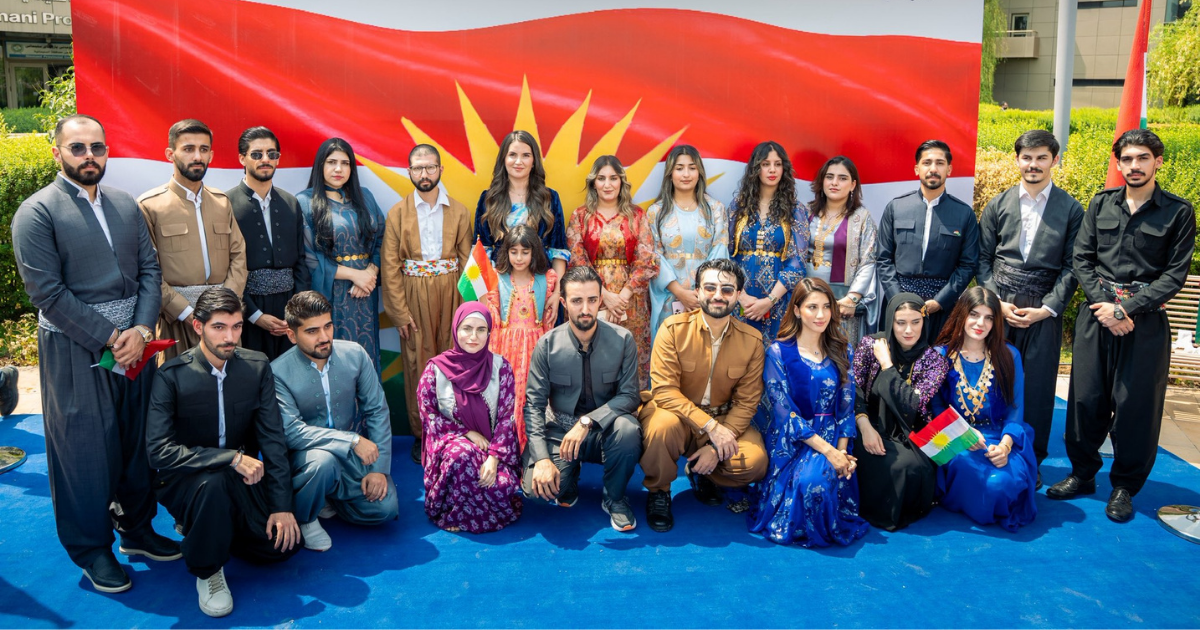
The Our Flag Campaign will renew and install at least 1,200 Kurdistan flags across Erbil and Sulaymaniyah. The Kurdistan Foundation will run the campaign from August 24 to September 1.
The nonprofit group will place the flags in public spaces across both governorates. The project includes 10 large Kurdistan flags.
The Kurdistan Foundation said it will replace old or damaged flags. It will also raise new flags in places where none are displayed.
Our Flag Campaign Encourages Public Participation
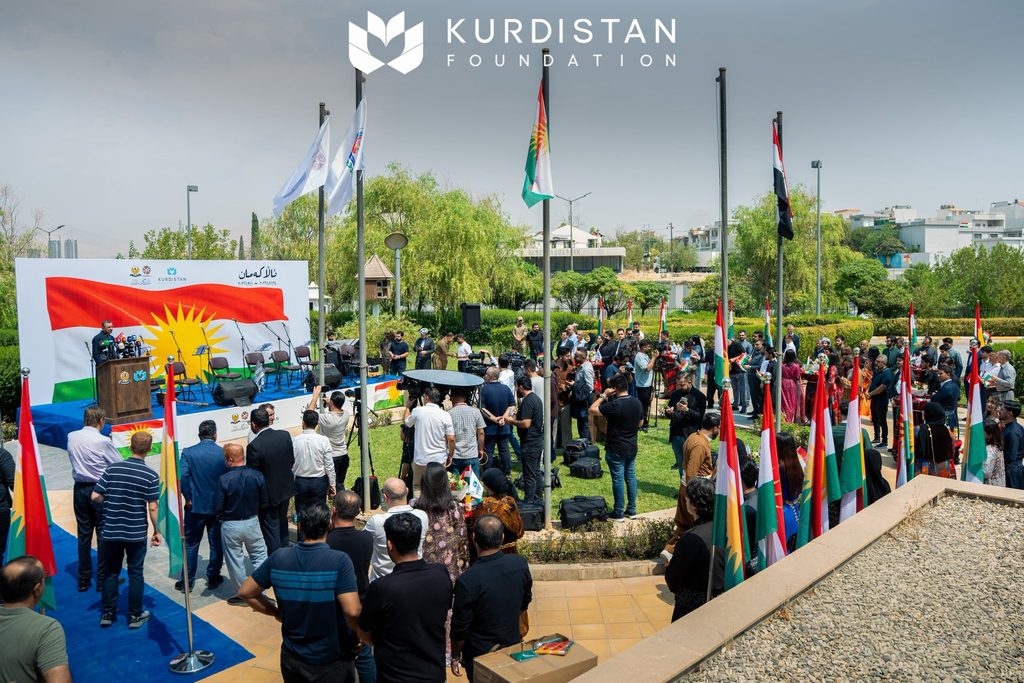
The Kurdistan Foundation described the project as a national effort to promote respect for the Kurdistan flag.
The group called on residents to display the flag at their homes and workplaces. It also encouraged schools, offices, parks and other public spaces to take part.
Organizers asked people to replace worn flags with new ones. The campaign aims to ensure that flags displayed across the region remain in good condition.
The foundation also plans to teach people about the flag’s history and meaning. It said many residents recognize the flag but may not know the story behind its design.
Four Colors and 21 Sun Rays
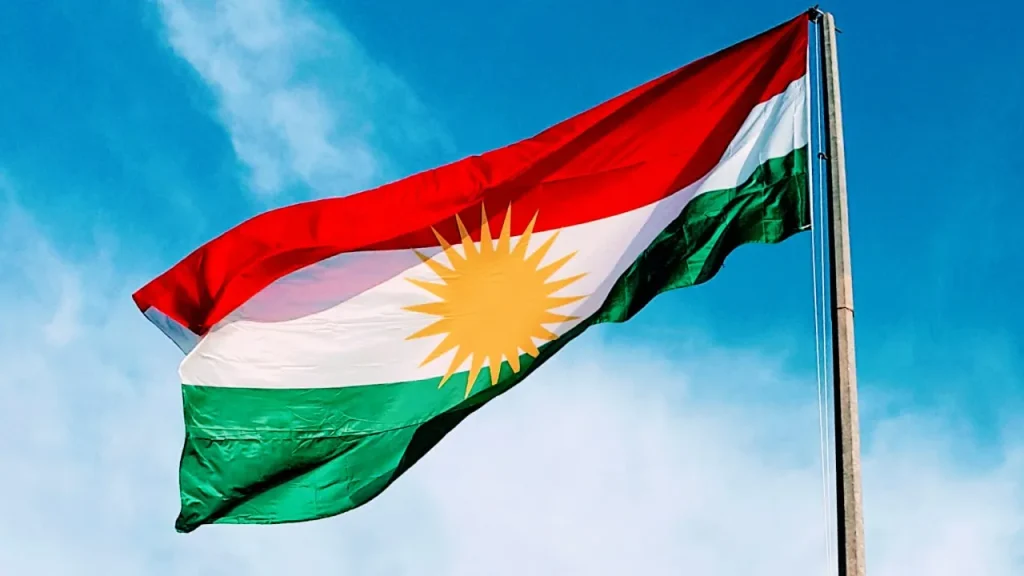
The Kurdistan flag features red, white and green horizontal bands. A yellow sun with 21 rays appears at its centre.
The modern flag traces its history to Kurdish political and cultural movements of the early 20th century. Kurdish intellectuals and political figures developed an early version in 1919.
The flag also appeared in the first issue of the Kurdish magazine Hawar, which was published in Damascus in 1932.
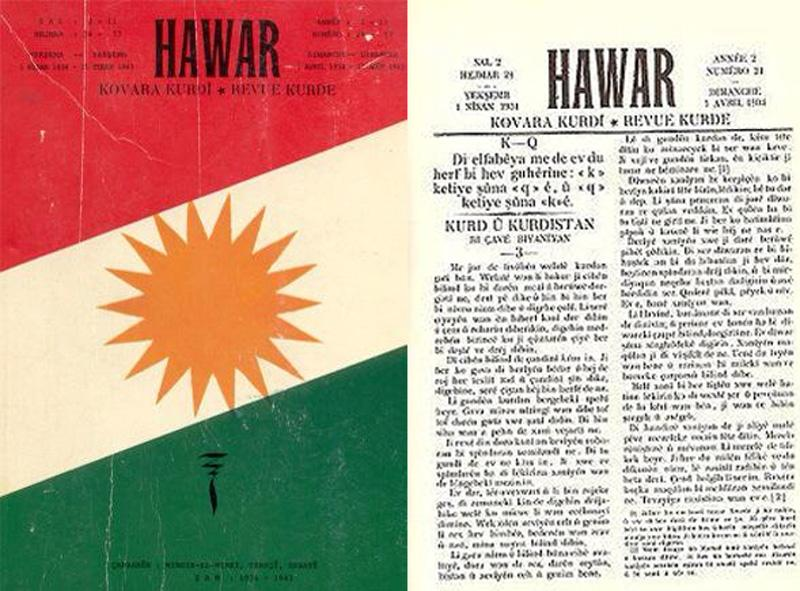
A later version flew over the Republic of Kurdistan in Mahabad, led by Qazi Muhammad. After the republic fell in 1946, Qazi Muhammad entrusted the flag to Kurdish leader Mustafa Barzani.
The Kurdistan Region formally adopted the flag after its parliament was established in 1992.
In 2009, the Kurdistan Parliament declared December 17 as Kurdistan Flag Day. The annual event marks the raising of the flag over government buildings in Mahabad on December 17, 1945.
The Our Flag Campaign will continue through September 1, with work planned across Erbil and Sulaymaniyah governorates.