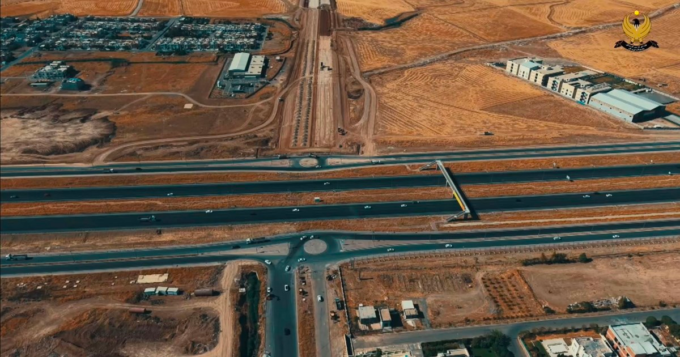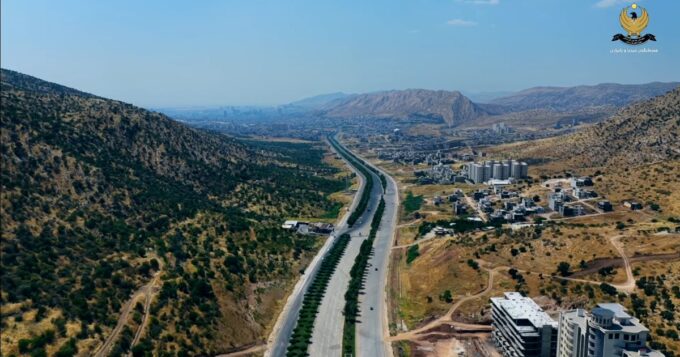

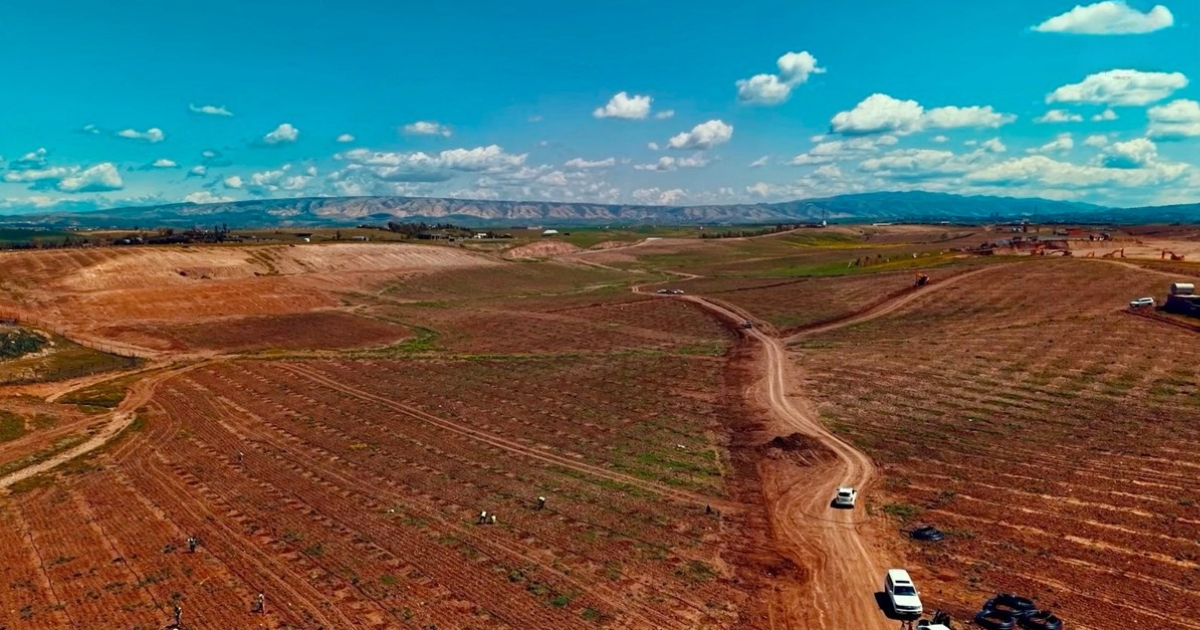
The Erbil Green Belt Project is moving closer to a major milestone, as the first phase of the large environmental initiative nears completion around the Kurdistan Region’s capital.
The project is one of Erbil’s biggest long-term climate and urban development efforts. It is designed to surround the city with a green belt stretching 78 kilometers in length and 2 kilometers in width. Plans call for roughly 7 million productive trees, including olive, pistachio, and orange trees.
Officials say the project is meant to do more than improve the city’s appearance. It is also expected to support the local economy while helping Erbil respond to climate and environmental pressures.
The Erbil Green Belt Project is one of the city’s largest environmental initiatives. It was first announced earlier this year as part of a broader climate strategy.
(For full background, read our earlier coverage of the Orbital Green Belt Project in Erbil.)
Erbil Green Belt Project Phase One Nears Finish
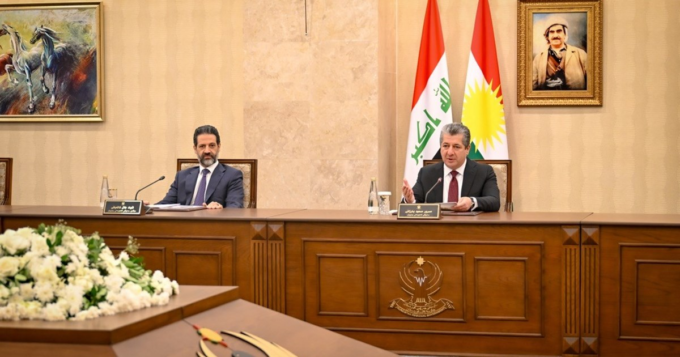
A few months ago, Kurdistan Region Prime Minister Masrour Barzani laid the foundation stone for the first phase of the Erbil Green Belt Project. That phase is now close to completion.
According to project figures, the first phase covers 4,200 acres at a cost of $6.2 million. It includes the planting of about 700,000 saplings. The work has also created daily jobs for 230 laborers and 30 engineers.
The first phase marks the opening step in a wider plan that will unfold across eight stages.
Second Phase Set to Begin After First Stage
Once the first phase is completed, work will move directly into the second phase. That next stage will cover 11,000 acres.
In total, the Erbil Green Belt Project is planned in eight distinct phases to reach its final target. When finished, it is expected to form a major green buffer around the city.
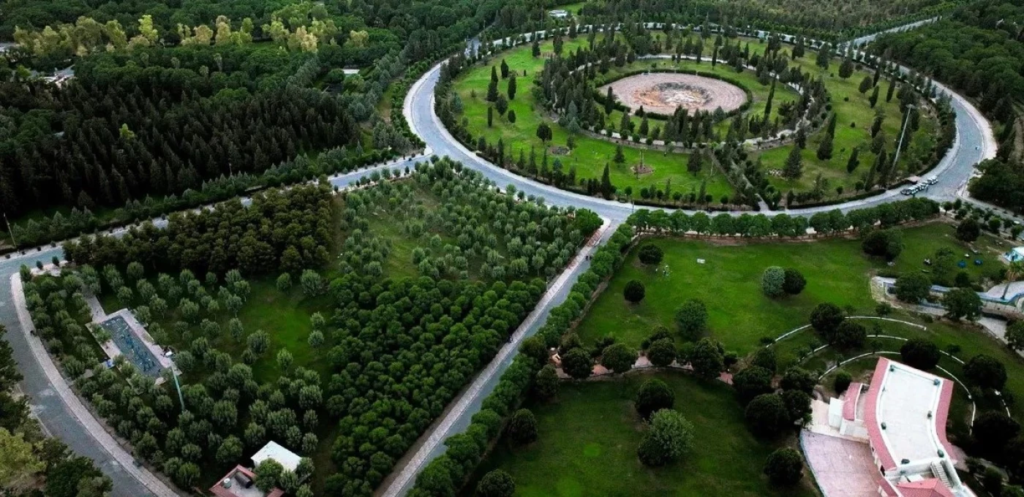
The project aims to address several urgent challenges tied to urban growth and climate change. These include reducing rising city temperatures, improving air quality, and protecting public health.
Environmental and Economic Impact
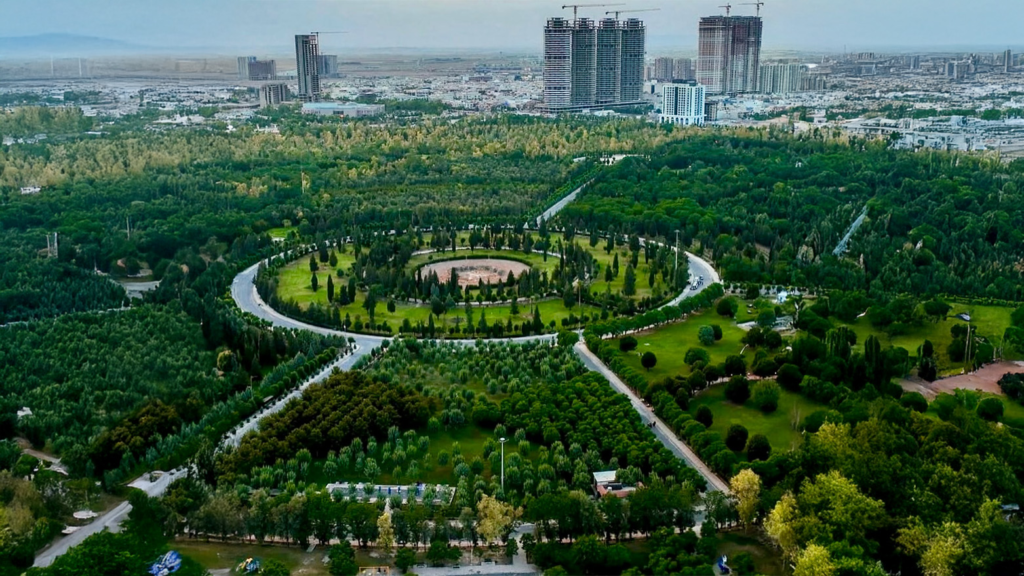
Officials say the green belt will also help preserve the environment while offering economic value through productive tree planting.
From a scientific standpoint, the project is expected to have a notable climate benefit. Estimates show it could absorb between 140,000 and 210,000 tonnes of carbon dioxide each year.
That gives the Erbil Green Belt Project both local and wider importance. For residents, it could mean cleaner air, lower heat, and more green space. For the region, it stands as part of a broader push toward practical environmental action.
A Long-Term Step for a Greener Erbil
As the first phase nears completion, the Erbil Green Belt Project is beginning to take visible shape. Its scale, economic role, and environmental goals make it one of the most important green infrastructure efforts now underway in Erbil.
If the remaining phases move forward as planned, the project could play a lasting role in reshaping the city’s environment and strengthening its response to climate challenges.