
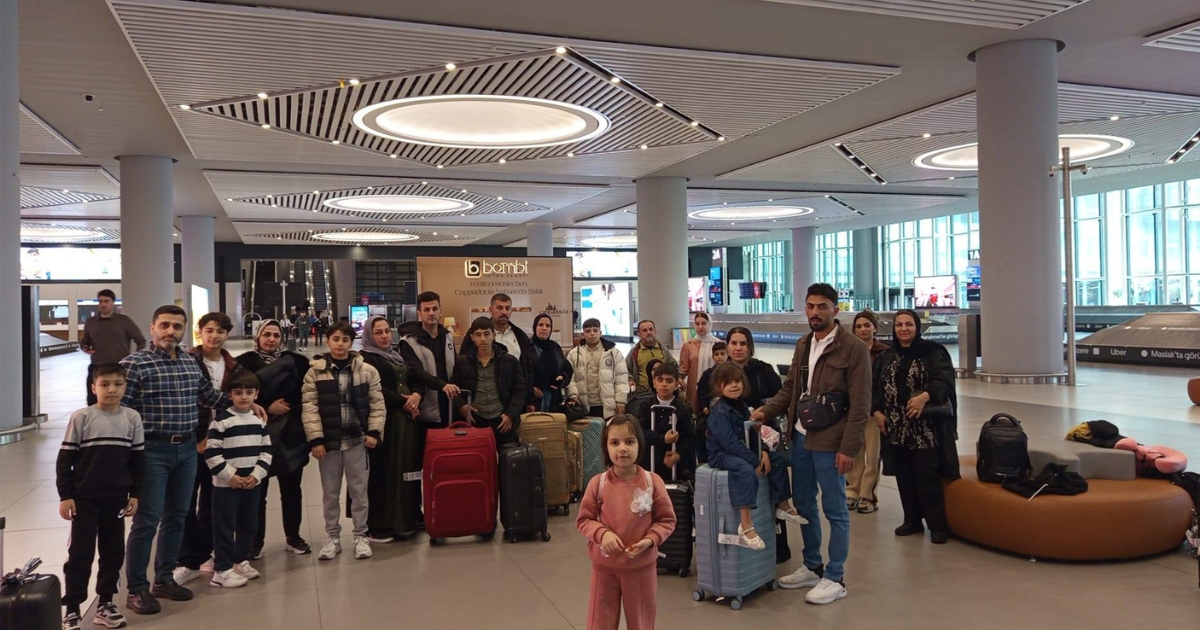
The Kurdistan thalassemia treatment program entered a new phase on April 4 as the Kurdistan Regional Government (KRG) sent a fifth group of patients abroad for advanced care.
Under the direction of Masrour Barzani, the Ministry of Health dispatched a convoy of 28 individuals. The group includes patients, donors, and family companions.
All participants completed medical testing before departure. They will receive care at internationally accredited hospitals certified by the Joint Commission International (JCI). The treatment focuses on bone marrow transplants, which remain one of the most effective long-term solutions for thalassemia.
The Kurdistan thalassemia treatment program covers all expenses. This includes travel, accommodation, medical tests, and surgical procedures. The initiative operates under a budget of nearly 11 billion Iraqi dinars.
Government Expands Access to Advanced Care
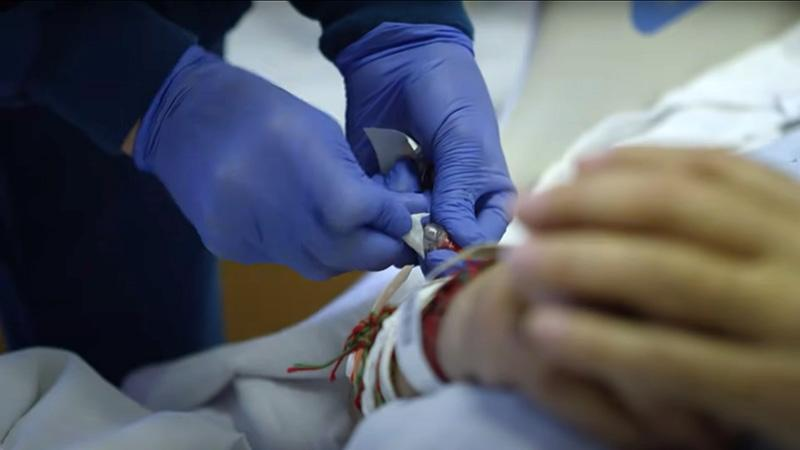
According to Saman Barzanji, the government has already sent 220 citizens abroad for treatment through this program.
The plan is designed to support patients regardless of donor availability. If a suitable donor is not found locally, one is sourced internationally. This approach removes a major barrier to treatment.
Officials confirmed that a sixth convoy is expected to depart soon. The program continues to scale as demand remains high.
Early Results Show Positive Outcomes
Health authorities report encouraging results from earlier groups. Several patients have completed treatment and returned home after 100 days of recovery.
These outcomes suggest the Kurdistan thalassemia treatment program is achieving its core goal. It provides access to specialized procedures that are not widely available within the region.
Part of Broader Health Strategy
The initiative is part of the service agenda of the ninth cabinet of the Kurdistan Regional Government. A key objective is to reduce pressure on local healthcare systems while improving patient outcomes.
By investing in international treatment pathways, the government aims to close gaps in medical infrastructure. This includes access to advanced transplant technology and specialized care teams.
The Kurdistan thalassemia treatment program reflects a broader effort to modernize healthcare services and support vulnerable patients across the region.