
Today, December 17, Kurds across the Kurdistan Region and the diaspora mark Kurdistan Flag Day, a national occasion dedicated to the flag that represents Kurdish identity, history, and resilience.
The day commemorates December 17, 1946, when the Kurdish flag was formally raised by the Republic of Kurdistan (Republic of Mahabad). In 2009, the Kurdistan Parliament officially designated this date as Kurdish National Flag Day, turning it into an annual moment of unity and remembrance.
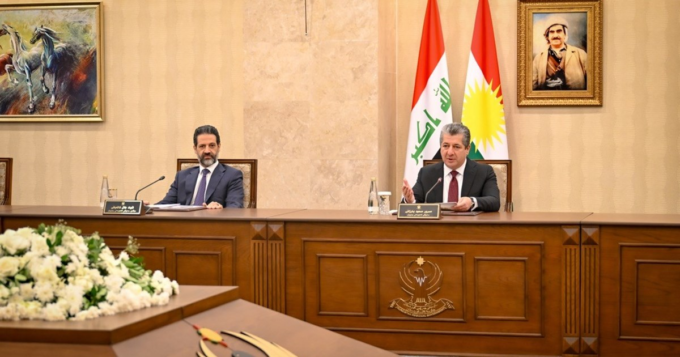
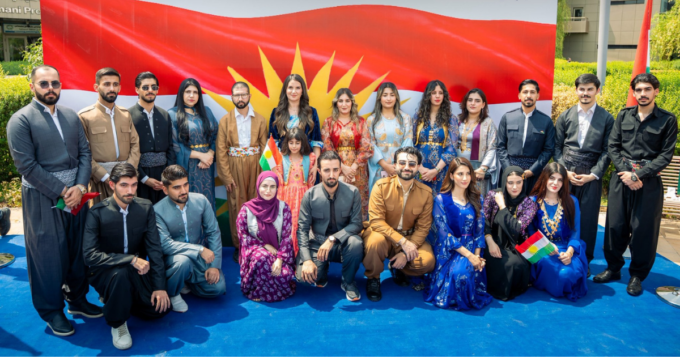
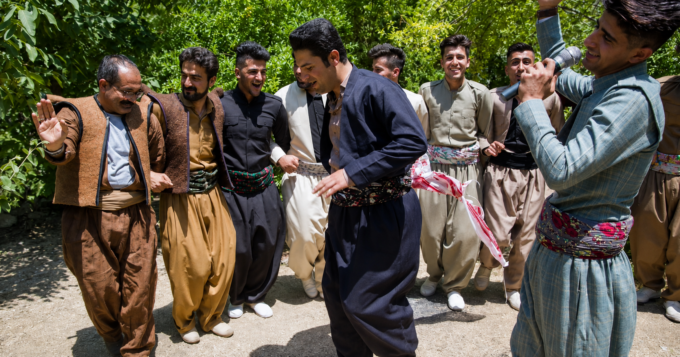
Across the Region, government institutions, schools, and public spaces hoist the Kurdish flag, while citizens celebrate in traditional clothing and cultural activities. The occasion serves not only as a celebration, but also as a reminder of the long Kurdish struggle for recognition and self-determination.
The modern Kurdish flag traces its roots to the early 20th century, when Kurdish intellectuals and political organizations in Istanbul worked to define national symbols for Kurdistan. One of the earliest efforts came in 1919, when Kurdish activists designed a flag while advocating for independence.
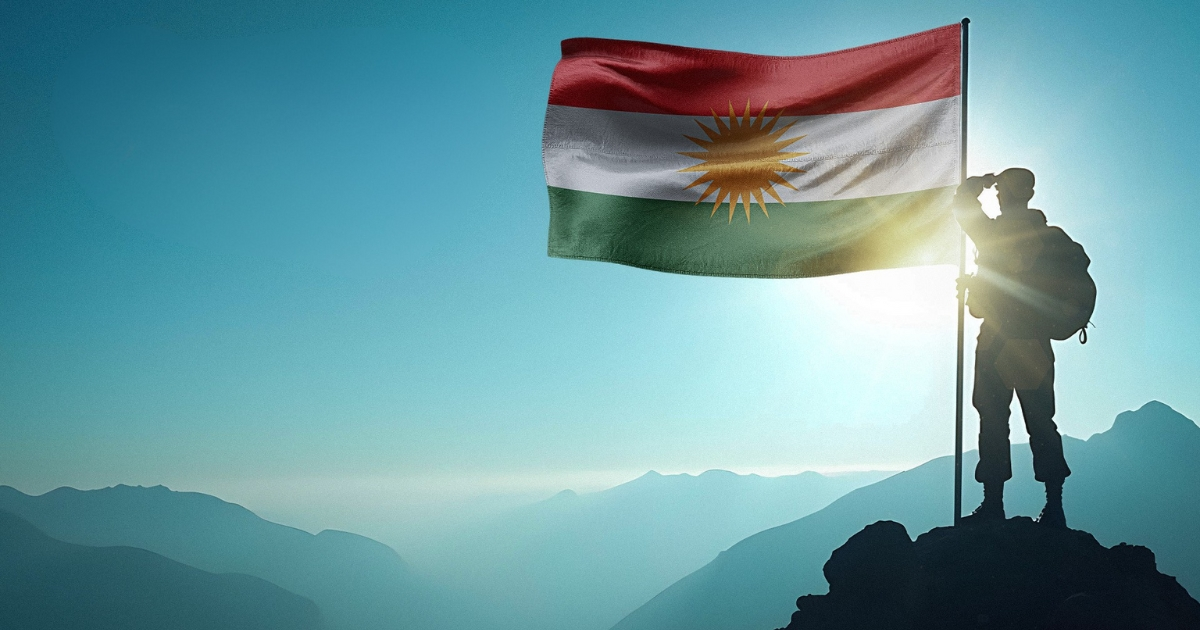
The current design — credited to Dr. Mehrdad Izady — features three horizontal colors: red, white, and green, with a yellow sun disk at the center. The sun has 21 rays, a number deeply tied to Kurdish culture and spirituality, and to Newroz, the Kurdish New Year celebrated on March 21.
Each color carries meaning:
-
Red represents the sacrifices of Kurdish martyrs
-
Green symbolizes Kurdistan’s land, life, and nature
-
White stands for peace and equality
-
Yellow reflects light, hope, and continuity