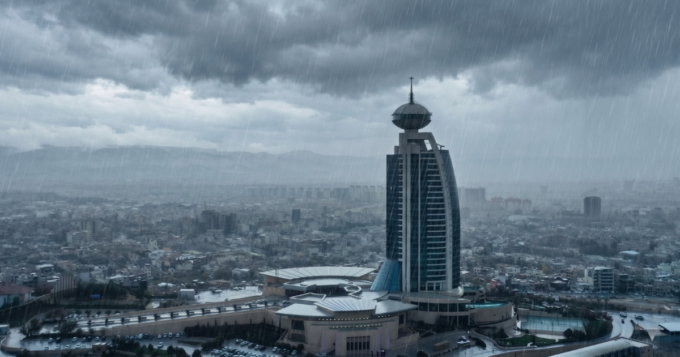

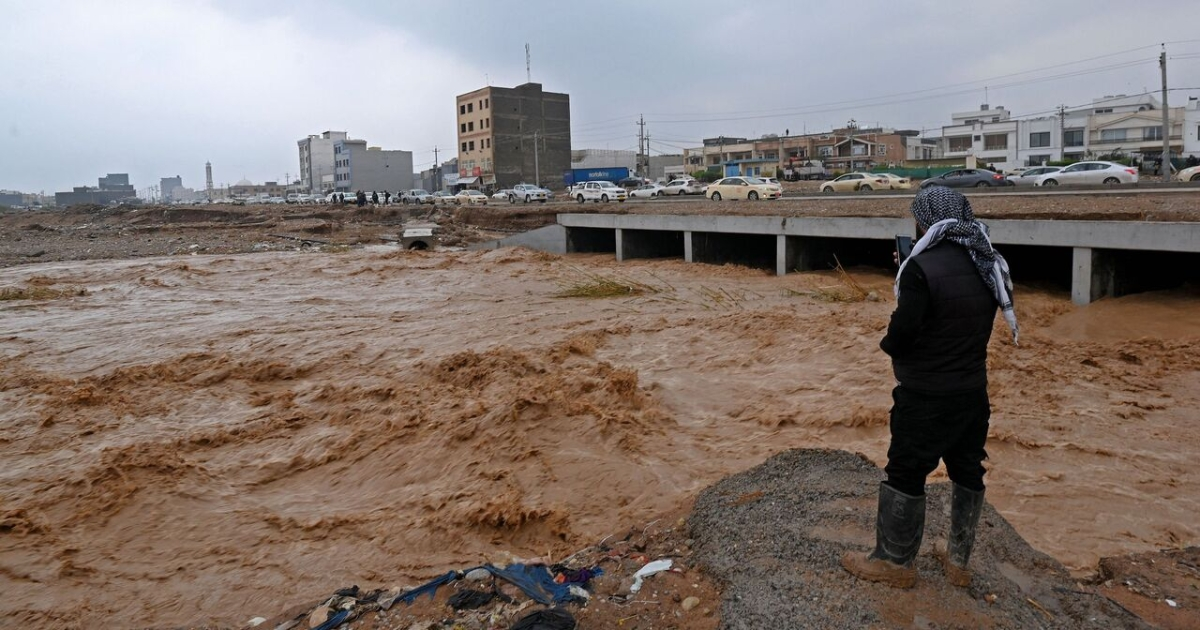
Severe rain and flash flooding swept across parts of the Kurdistan Region over the past two days, killing four people, injuring several others, and causing widespread damage to homes, roads, and public facilities.
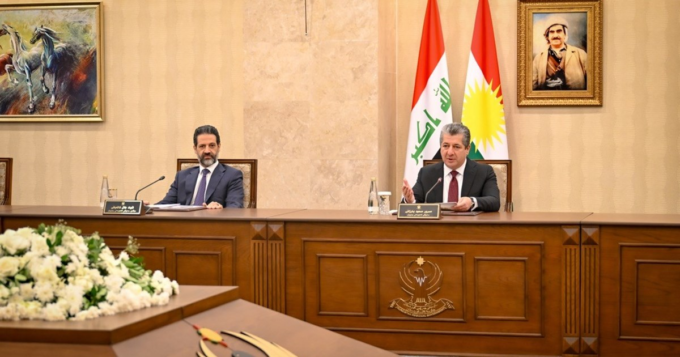
According to a situation report issued by the Kurdistan Regional Government (KRG), the worst-affected areas include Chamchamal, Sulaimani, Garmian, and parts of Kirkuk, where intense rainfall overwhelmed drainage systems and caused bridges and roads to collapse.
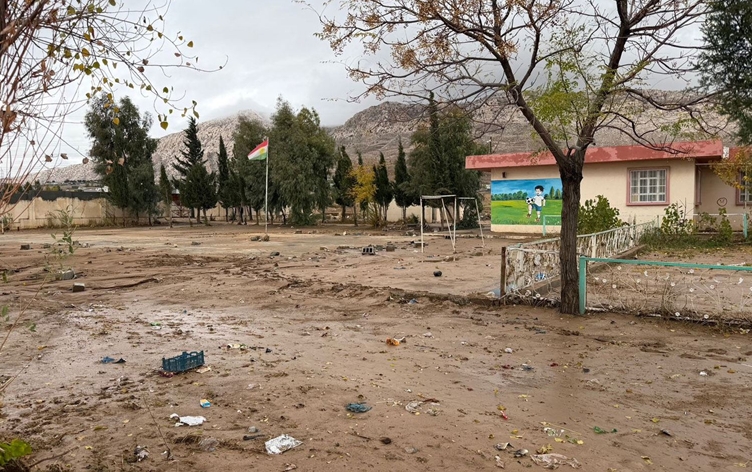
In Chamchamal, flooding damaged around 500 homes and more than 100 shops and warehouses, forcing road closures and power outages. Key roads linking Sulaimani to Chamchamal and Kirkuk were temporarily cut off, leaving travelers stranded. Schools in the district were closed, and exams were postponed due to damage to educational buildings.
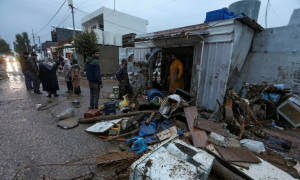
The floods also proved deadly. A child drowned in Kalar, while another child lost their life in Kirkuk’s Farqani village. Two additional deaths were reported in Sulaimani Governorate, where search teams are still working to confirm all casualties. Elsewhere, six Peshmerga members were injured by lightning strikes in the Balisan area; all are reported to be in stable condition.
In Garmian, floodwaters washed away sections of the Salam irrigation project and destroyed fish farms, greenhouses, and livestock facilities, dealing a major blow to local farmers. Bridges linking Kifri and Rizgari also collapsed, further isolating communities.
While Hawler avoided major structural damage, heavy rainfall increased water turbidity in the Great Zab River, forcing several water treatment plants to temporarily halt operations. Authorities urged residents to conserve water during the disruption.
The KRG has formed compensation committees in Sulaimani and Garmian and deployed emergency response teams across affected areas. Civil Defense units remain on high alert, while humanitarian groups have begun delivering food, clothing, and shelter to displaced families.
As cleanup efforts continue, officials say restoring damaged infrastructure and supporting affected households remain top priorities.