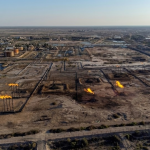

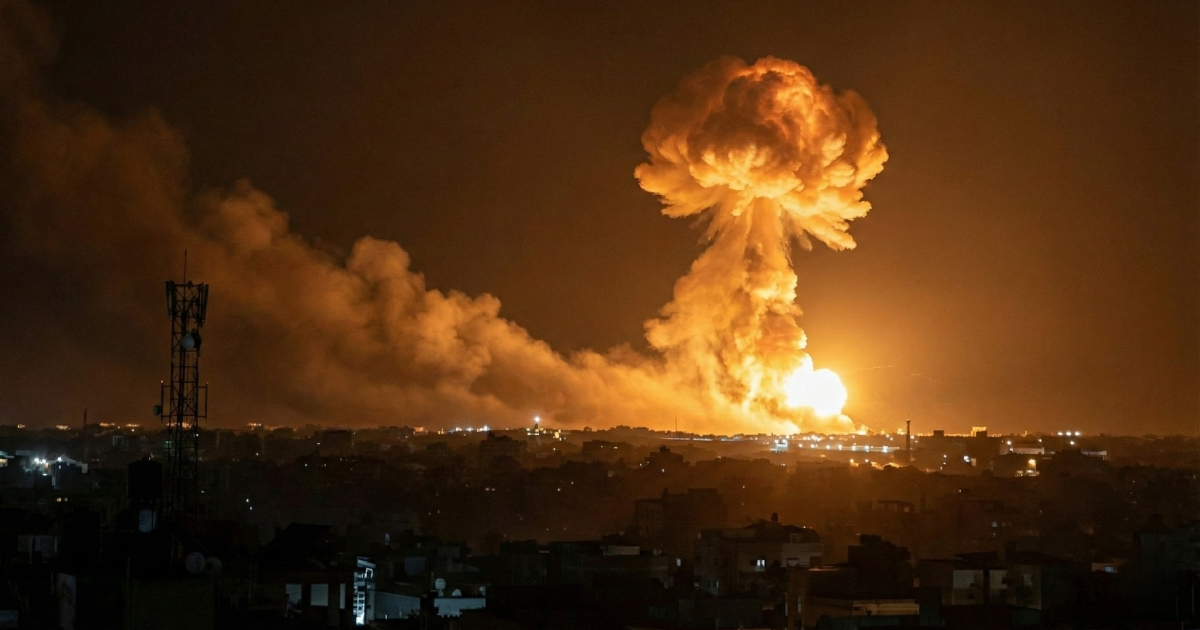
In one of the most serious blows to the Kurdistan Region’s energy infrastructure in recent years, a late-night drone strike on the Khor Mor gas field triggered a massive shutdown of gas supplies, leading to an 80% reduction in electricity output across the Region.
Iraq’s Joint Operations Command condemned the incident as a “dangerous terrorist act” aimed directly at undermining the country’s economic security and destabilizing the daily lives of millions.
The attack occurred around 11:30 p.m. Wednesday, igniting one of the main storage tanks at the field. While no casualties were recorded, the strike forced an immediate halt in gas flows feeding major power stations in Chamchamal, Bazian, and Hawler.
Khor Mor, operated by Dana Gas, is the beating heart of electricity production in the Kurdistan Region. Its pipeline system stretches nearly 180 kilometers and delivers enough gas to generate more than 2,000 megawatts of power. With its output recently exceeding 750 million standard cubic feet per day following the KM250 expansion, the site has become indispensable to the Region’s economic stability and energy independence.
Related: Khor Mor Gas Field Attacked in Late-Night Strike; No Casualties, Major Power Disruptions
Repeated Attacks Raise National Alarm
This is not an isolated incident — far from it.
Over the past four years, Khor Mor has endured a series of assaults, including:
-
January 2024: Production halted, causing widespread power cuts
-
April 2024: Deadly strike killed four Yemeni workers
-
February 2025: Drone hit caused another shutdown
Each attack has temporarily crippled power generation and placed the Region’s infrastructure under enormous strain.
Thursday night’s strike has once again exposed the vulnerability of Iraq’s energy network and raised urgent questions about who is orchestrating these assaults — and why they remain unpunished.
Barzani: “Terrorists Cannot Be Allowed to Walk Free Again”
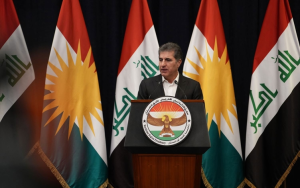
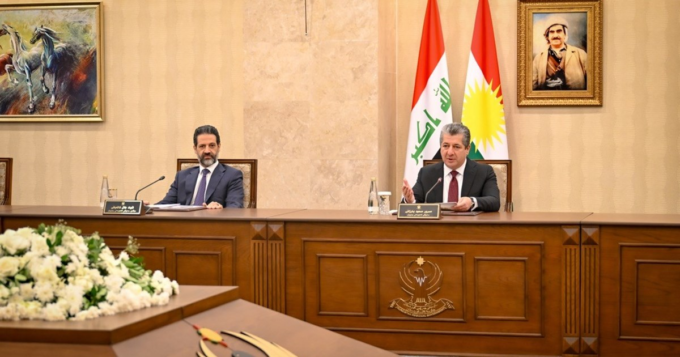
Kurdistan Region Prime Minister Masrour Barzani issued a firm condemnation early Thursday, calling the assault “cowardly” and demanding that Baghdad identify and prosecute the perpetrators.
Barzani stressed that previous attackers were released on bail or avoided meaningful accountability — a pattern he insists cannot continue.
He also renewed appeals to Iraq’s international partners, including the United States, to supply modern defensive systems capable of protecting critical civilian infrastructure across the Kurdistan Region.
KRG Halts Gas Exports as Teams Assess Damage
In a joint announcement, the Ministry of Natural Resources and the Ministry of Electricity confirmed that gas exports to all power plants in the Kurdistan Region have been temporarily suspended. Technical teams are currently coordinating with Dana Gas to evaluate damage and prepare for a controlled restart of operations.
The ministries described the shutdown as a precautionary measure to ensure worker safety and prevent further risk as specialists examine the impact of the attack.
Massive Power Reduction Across the Region
According to Ministry of Electricity spokesperson Umed Ahmad, the Region is now facing an 80% reduction in available electricity — one of the sharpest drops in the Kurdistan Region’s history outside of war-time conditions.
Residents in Hawler, Sulaimani, Duhok, and surrounding districts have already begun reporting prolonged outages and unstable power cycles, underscoring the scale of the disruption.
With Iraq’s Joint Operations Command classifying the strike as a terrorist act, the latest attack on Khor Mor has once again highlighted the fragility of Iraq’s energy infrastructure and the consequences of repeated targeting.
As the Kurdistan Regional Government works to stabilize the grid and restore operations, one reality is becoming increasingly clear:
protecting Khor Mor is now a national security necessity.