

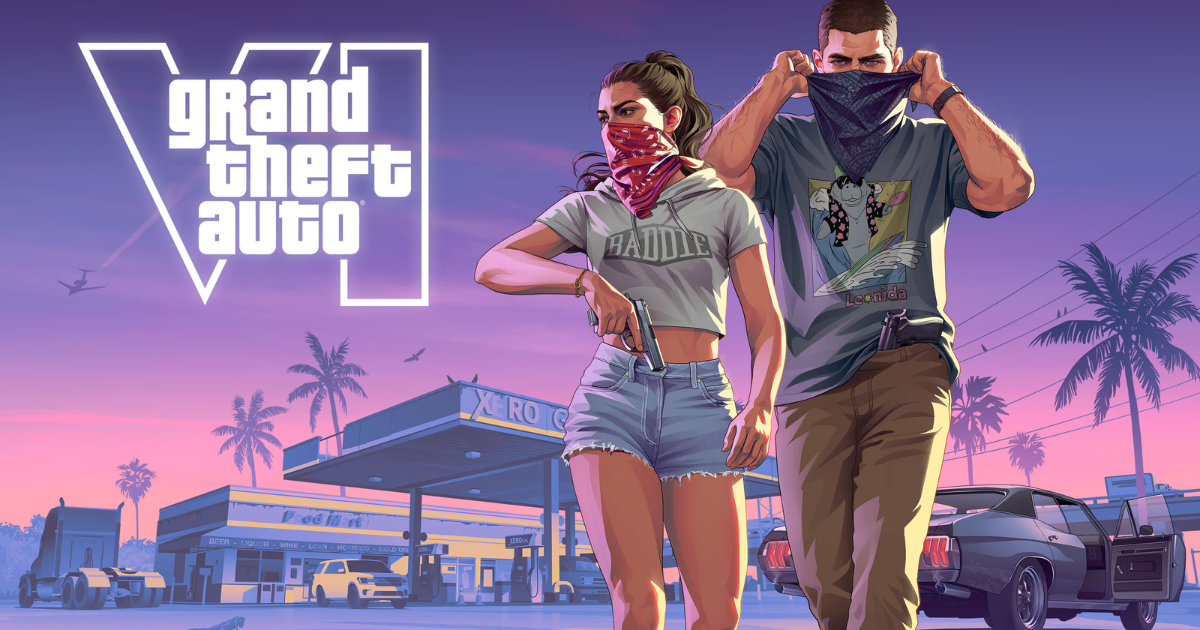
The GTA 6 ruling in Kurdistan is a needless response to the release of one of the world’s most anticipated video games.
On November 19, the Union of Islamic Scholars in the Kurdistan Region declared Grand Theft Auto VI forbidden under Islamic law. Its spokesperson, Abdullah Sherkawy, said the game promotes violence, drug use, and immoral conduct.
The Union also urged authorities to act against games and online services that it believes could harm young people and families. It called on parents to stop their children from playing GTA 6.
These concerns about children seeing adult content are fair. However, declaring the game forbidden for everyone is ridiculous and uncalled for.
The GTA 6 Ruling in Kurdistan Ignores the Wider Issue
GTA 6 contains violence, crime, strong language, drug references, and sexual content. It is clearly not designed for children.
Rockstar Games released GTA 6 worldwide on November 19 for PlayStation 5 and Xbox Series X|S. The company lists warnings for intense violence, nudity, strong language, sexual content, and drug and alcohol use. Rockstar Games
That information should help parents make informed choices. Stores should also respect age ratings and explain the content before selling the game to children.
But an adult game does not require a sweeping religious ruling. Adults can decide what media they wish to consume. Parents already have tools to control what their children play, including console restrictions, age ratings, passwords, and spending limits.
The focus should be on education and responsible access, not fear.
Why Was GTA V Largely Ignored?
Grand Theft Auto V has remained popular for more than a decade. It has also been widely played in the Kurdistan Region, often without serious monitoring or a sustained public campaign from religious figures.
GTA V includes many of the same themes now being used to condemn GTA 6. It features crime, violence, drugs, strong language, and adult material.
This raises an obvious question: Why has GTA 6 suddenly become the target?
The timing makes the ruling appear driven by publicity. GTA 6 arrived after years of global anticipation. Social media was filled with trailers, reactions, release discussions, and people rushing to buy the game.
The response became chaotic because GTA 6 was already the centre of public attention. Issuing a dramatic ruling at the moment of release guaranteed more headlines. It did little to create a serious or consistent policy on children and digital media.
Guidance Would Be More Useful Than Prohibition
Religious scholars have the right to advise members of their communities. Families also have the right to follow that advice.
However, guidance is different from asking authorities to block a game for the entire public.
A more useful response would explain the age rating, identify the adult content, and encourage parents to use parental controls. Schools and community groups could also teach young people how to understand fictional media and manage their screen time.
Games can contain troubling material without forcing players to copy it in real life. Fictional crime is not the same as support for crime.
Kurdistan faces real concerns involving youth, online safety, education, jobs, drugs, and family welfare. Those issues need consistent work. They will not be solved by turning one popular game into a public controversy.
The debate around GTA 6 should remain grounded in personal responsibility. Adults can decide whether to play it. Parents can decide whether it is suitable for their children. A sweeping ruling only creates more publicity for the game it seeks to condemn.















Leave a comment