


A Slemani stroke study found that 143 of 170 adults admitted to Shar Hospital with a spontaneous brain bleed had chronic high blood pressure. The researchers also found that, among patients with recorded medication histories, those who took their prescribed blood pressure medicine irregularly arrived with larger bleeds and lower scores on a measure of consciousness.
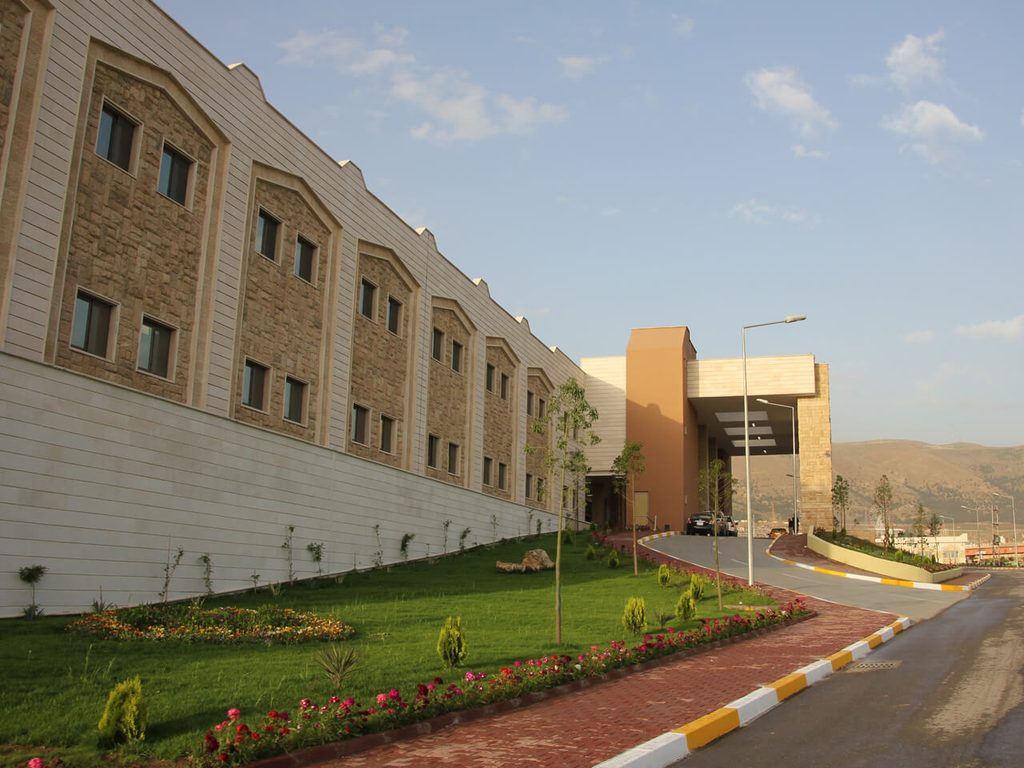
Ahmed S. Noori and colleagues published the study on November 20. The team reviewed records from 2020 to 2026 for adults treated at the Slemani hospital. All 170 cases involved an acute bleed inside brain tissue confirmed by CT and unrelated to trauma. The researchers used the initial scan to estimate bleed size and reviewed blood pressure, medical history and neurological assessments at admission.
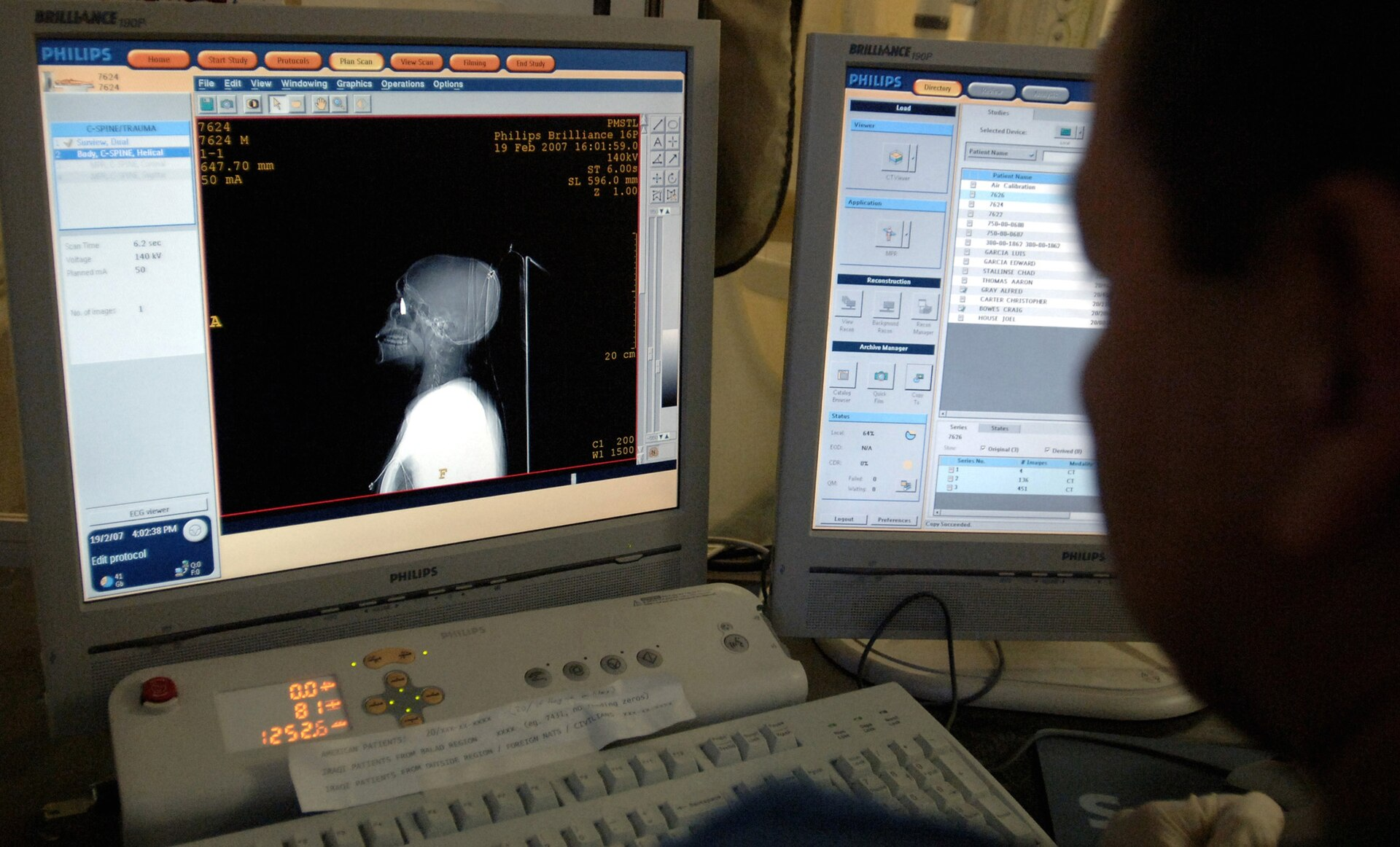
What the Slemani Stroke Study Found at Admission
Chronic high blood pressure was documented in 84.1% of the patients. Researchers recorded current smoking in 44.7% of the group, diabetes in 40% and use of antithrombotic medications in 27.6%. Bleeds deep in the brain were the most common location, accounting for 120 cases. All 120 of those patients had chronic high blood pressure. These figures describe the hospital’s patients with brain bleeds. The study did not include a comparison group from the wider population.
Among 143 patients with chronic high blood pressure, 135 had enough information to compare medication use. Of those, 42 regularly took their medicine as prescribed and 93 reported taking it irregularly or stopping it before admission. The researchers excluded the eight patients with no recorded adherence information from that comparison.
Blood Pressure and the Severity of Brain Bleeding
The group that reported irregular medication use arrived with an average systolic blood pressure of about 189 mmHg, compared with 161 mmHg among those with regular use. After accounting for factors including age, sex, diabetes, smoking and antithrombotic medication use, the researchers estimated that the irregular-use group had bleeds nearly 10 cubic centimeters larger and scored 2.8 points lower on the Glasgow Coma Scale. Clinicians use that scale to assess a patient’s level of consciousness.
When the researchers added systolic blood pressure at admission to their analysis, the statistical link between irregular medication use and bleed size was no longer clear. Higher blood pressure at admission remained associated with larger bleeds. The authors said the pattern is consistent with blood pressure helping explain the difference, but their study cannot establish how the factors caused or influenced each other.
What the Study Could Measure
The team reviewed records from one hospital. It relied on patients or caregivers to recall medication use and had no pharmacy refill data to confirm their accounts. The researchers also lacked follow-up scans and longer-term data on mortality or disability, so the results describe how patients presented at the hospital.
The authors called for stronger attention to blood pressure monitoring and cardiovascular risk management in primary care. They also identified prospective research as a way to examine the relationships observed in the hospital records.

















Leave a comment